Is Franschhoek Wine Tram Worth It?
An honest verdict on the Franschhoek Wine Tram: what the R350 ticket covers, who it suits, who it frustrates, and whether it matters which vehicle you board first.
Is Franschhoek Wine Tram Worth It?
For most independent travelers, yes: the Franschhoek Wine Tram is worth the R350 adult ticket if you want to visit several estates in a day without driving, and it is not worth it if you want a dedicated guide and in-depth wine education. The ticket covers transport and onboard narration, tastings cost extra, and the experience rewards people who plan loosely rather than people who want a fixed itinerary.
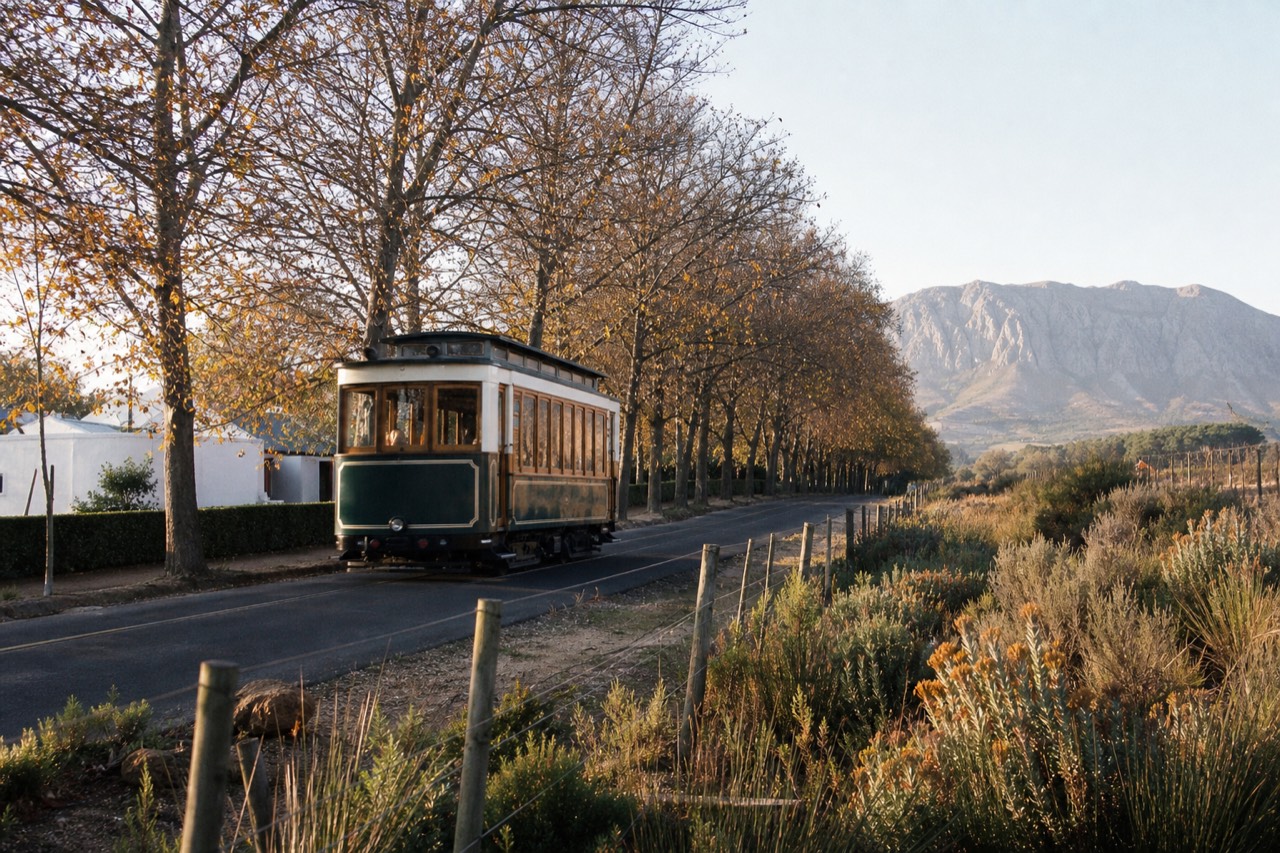
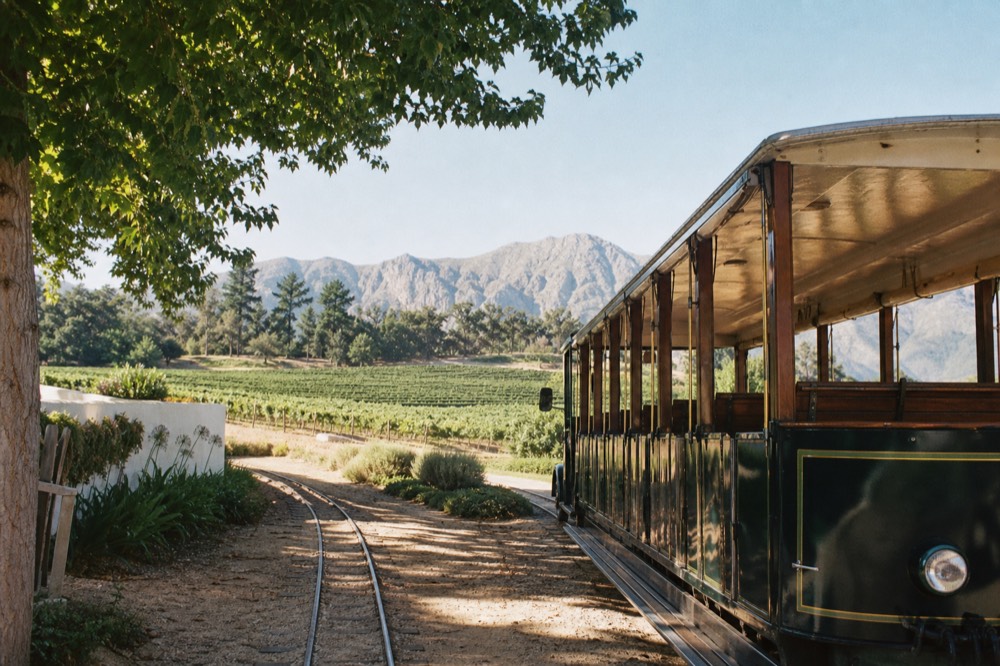
The first thing to clear up is the name. There is no "Cape Town Wine Tram." The real product is the Franschhoek Wine Tram, a hop-on-hop-off service run by an operator based in the Franschhoek Valley, roughly a one-hour drive from central Cape Town. It uses a mix of vintage-style trams on narrow-gauge tracks and open-air tram-buses, running color-coded loops that stop at wine estates around the valley. Roughly 30 estates are covered collectively across the lines, with 7 to 9 estates on a typical line.
That structure is the whole story of whether it is worth it. You are buying convenient transport between estates with onboard narration, while arranging your own tastings. Travelers who understand that tend to love it. Travelers who expect a sommelier on wheels, or a ticket that includes tastings, tend to leave disappointed, and the negative reviews almost always trace back to that mismatch rather than to anything the operator actually promised.
It also helps to understand what the valley itself offers. Franschhoek is the smallest and most polished of the three main winelands towns, a food-driven "gourmet village" with French Huguenot heritage, a compact walkable centre of boutiques and galleries, and elegant estates clustered close together. That density is precisely why a hop-on-hop-off loop works so well here: the distances between estates are short, the scenery between stops is part of the pleasure, and the village functions as a natural hub at one end of the network. In a more spread-out region the same concept would feel like a shuttle bus. Here it feels like a ride.
If that basic pitch sounds like your kind of day, the practical next questions are which line to pick and how the timing works, and we cover both below. The Franschhoek Wine Tram guide explains ticket costs, transfers and how to plan estate stops.
Is The Wine Tram Worth It?
Worth it for: independent travelers, groups mixing drinkers and designated sober friends, anyone who wants to set their own pace and linger where they like. Not worth it for: travelers who want a dedicated tasting guide, a fixed cellar itinerary, or an all-inclusive price. The R350 ticket includes transport and onboard narration; tastings typically add R60 to R260 per estate.
The tram's core strength is freedom. The loops run hourly, so you decide at each stop whether to stay another hour or move on. Fancy a long lunch at one estate and a quick tasting at the next? That is exactly what the product is built for. A guest review on the live listing calls it "the easiest wine day out we've had," and that ease is the point: no parking stress, no designated-driver arguments, no guessing at valley roads.
The weakness is the mirror image. The onboard narration introduces the valley, but nobody builds your estate itinerary for you. If two estates are having a slow day at the cellar door and you did not book ahead, the tram does not rescue you. During peak season, roughly November to March, popular estates fill up and the tram-buses themselves can run standing-room only midday. The product is honest about this, but it does mean the tram rewards a small amount of planning: know roughly which estates you want, book lunch, and start early.
Price-wise the maths is favorable for what it is. At R350 per adult, R90 for children aged 3 to 17, and free for under-3s, the tram costs less than a single premium tasting at some estates, and far less than a private driver for the day. The catch is that the headline price is only the floor: with a typical tasting at each of three or four estates, plus lunch, a realistic day lands well above the ticket. Budget for the tastings, not just the ride.
There is also a safety angle that rarely gets mentioned in reviews. South Africa's drink-driving limit for ordinary drivers is 0.05 g of alcohol per 100 ml of blood, and for professional drivers, including many tour and shuttle drivers, it is a stricter 0.02 g per 100 ml. That two-tier system is a genuine argument for letting someone else do the driving on a multi-estate day. The tram sits neatly in the middle: it removes you from behind the wheel entirely, without the cost of a private driver, and the spitting buckets standard at cellar doors cover anyone pacing themselves.
Choose the line by your preferred estates and the timetable.
Before paying, check the cancellation terms for the product, option and date you select. The self-directed transfer package and a hosted wine day can have different conditions.
Should I Take The Bus Or Tram First On The Franschhoek Wine Tram?
Honestly, it rarely matters which vehicle you board first. The lines run hourly loops mixing tracked trams and open-air tram-buses, and on most lines you will ride both during the day anyway, because the track sections and road sections alternate across the route. Pick the line by its estates, not by its vehicle.
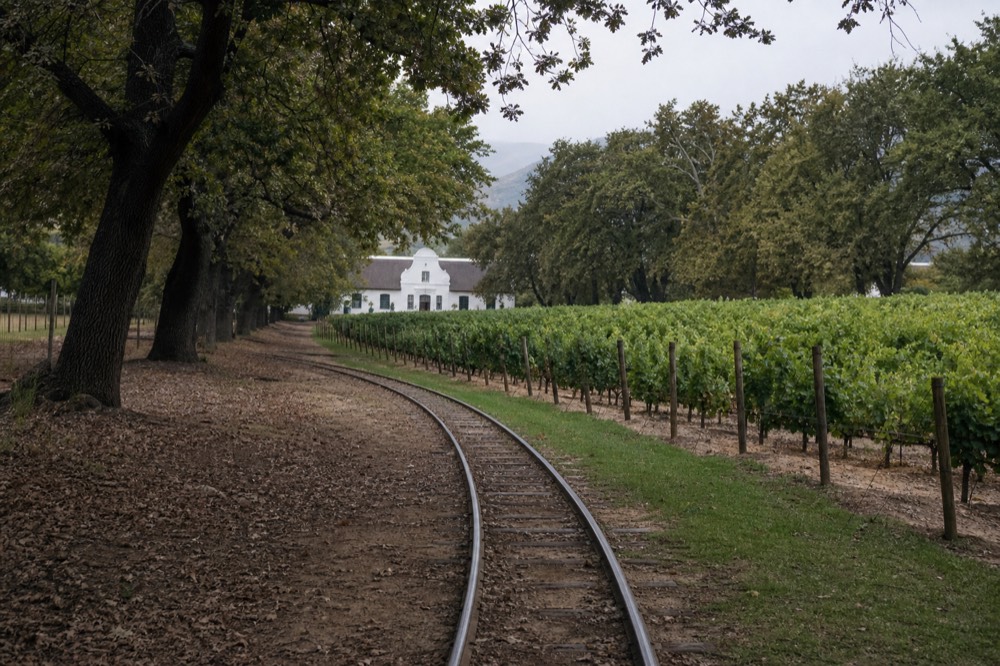
This question comes up constantly in travel forums, and it rests on a misunderstanding of the mechanics. The vintage Brill trams only run where narrow-gauge track exists, which is a small fraction of the network. The open-air tram-buses cover everything else. A single line's loop typically includes both: you might ride the tracked tram out of the village, transfer to a tram-bus for the estates further along the valley, and return on whichever vehicle comes next. There is no "tram route" versus "bus route" to choose between on the day.
The terminals tell the same story. Lines start either in Franschhoek village itself, around the Cabriere Street area, or out at Groot Drakenstein, depending on the route. From either terminal the loop proceeds the same way regardless of which vehicle happens to be running that segment. If you board at the village and the first vehicle is a tram-bus, you have lost nothing; the tracked sections of the route will still appear later in your loop, and vice versa.
What does matter is the hour. Because loops run hourly, the real decision at each estate is "stay one more hour or board now." Starting early gives you more loop cycles, and therefore more flexibility, before the last runs of the afternoon. The operator recommends three or four estates with an early departure; a traveler who starts at noon is choosing two, maybe three. If you want the deep-dive on which color line serves which estates, the Wine Tram line comparison breaks down the routes estate by estate.
One planning note worth knowing: the tram runs daily except major holidays, specifically 24-25 December and 31 December-1 January, and lines can be reduced during winter or valley events, so check the operator's schedule for your date before locking in a line choice. Winter visitors in particular should verify that their preferred line is running the full loop, because reduced schedules occasionally drop the furthest estates.
What Does The Wine Tram Ticket Actually Include?
Transport on your selected line, with onboard narration. The R350 adult ticket covers the hop-on-hop-off service for your booked day. It does not include tastings, meals, or estate entry fees where charged; tastings typically run R60 to R260 per person per estate, often waived or refunded with a bottle purchase.
Here is the honest ledger for a day:
| Item | Included in ticket? | Typical cost |
|---|---|---|
| Hop-on-hop-off rides on your line, all day | Yes | R350 adult, R90 child 3-17, under 3 free |
| Wine tasting at each estate | No | R60 to R260 per person per estate |
| Lunch at an estate restaurant | No | Set by the estate; booking recommended in peak season |
| Transfers from Cape Town to Franschhoek | No | Sold separately as an add-on or via partner packages |
| Estate bookings and reservations | No | You book directly with the estate |
The transfer question deserves a flag. Franschhoek sits roughly 75 km from central Cape Town, a 60 to 70 minute drive, and the tram itself starts in the valley, not the city. Many travelers bundle a round-trip transfer with the tram ticket through a package, which is often the difference between a relaxed day and a stressful one. The bundled route usually departs from the V&A Waterfront or selected hotels in the morning, links up with a mid-morning tram departure, and returns to the city in the early evening, which effectively converts the tram into a full-day Cape Town excursion.
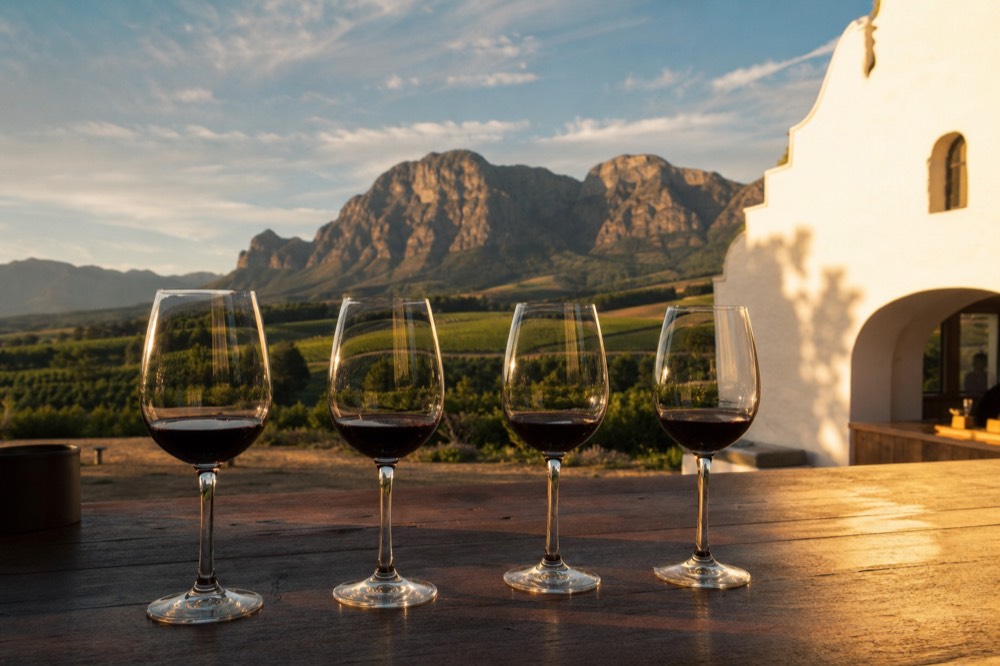
The tasting-fee picture is friendlier than the table might suggest. Many estates waive or refund the tasting fee when you buy a bottle, which softens the running total considerably if you came to shop anyway. And the range is wide on purpose: a R60 flight at a working farm and a R260 premium vertical at an award-winning cellar are genuinely different experiences, not the same product at different prices. Planning two serious tastings and one casual stop is a perfectly good day; planning five serious tastings is a recipe for a foggy afternoon.
If you are weighing the tram against a guided day that handles the driving and the itinerary, the tram versus guided tour comparison lays out the trade-offs side by side, including where a private driver starts to make more sense than either option.
Who Should Skip The Wine Tram?
Skip it if you want a dedicated tasting guide, a fixed cellar itinerary, or a fully inclusive price. The tram provides onboard narration, but you plan the estate visits yourself around its timetable. Travelers who want depth, or who dislike waiting an hour for the next vehicle, are better served by a private driver or a small-group guided tour of the Winelands.
The waiting is the honest cost. Because loops run hourly, a quick 30-minute tasting still costs you an hour of standing around unless you time it well, and a slow lunch can cost you two. Over a full day those gaps add up. Some travelers enjoy them, an hour on a wine estate terrace is hardly a hardship; others find the pace frustrating, especially in peak season when midday vehicles fill up.
It is also the wrong tool for serious wine study. The tram drivers are transport crews, not sommeliers, and the estates' cellar door staff vary in how much time they can give. If your goal is to understand South African Chenin Blanc or the valley's Méthode Cap Classique tradition, a guided tour with a fixed itinerary of serious cellars will teach you more in a day than four self-directed stops will. The same goes for travelers with limited mobility who find open-air tram-buses awkward to board, or anyone who wants a guaranteed seat all day; the hop-on-hop-off model simply cannot promise that in high season.
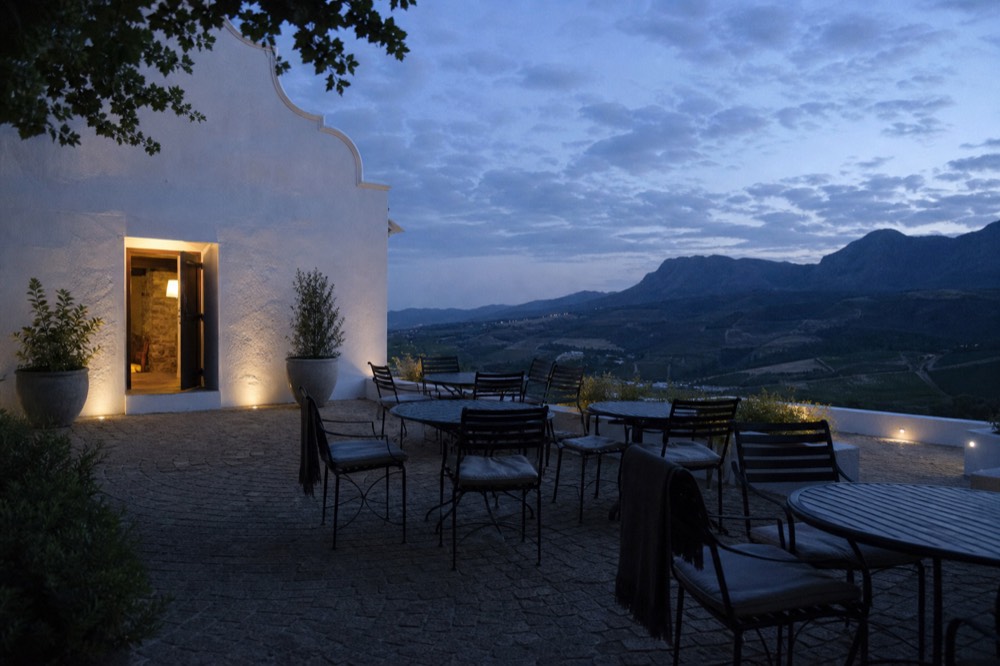
Finally, skip it if you cannot start early. The loops wind down in the late afternoon, and a midday start leaves you two or three estates at most. The tram is a full-day product wearing a half-day price tag, and treating it otherwise is the most common way to feel shortchanged by it. Families with young children should also think twice: the ticket is free for under-3s and R90 for ages 3 to 17, but a day of hourly loops and adult-paced tastings is a long ask of a restless six-year-old.
For context on how the tram stacks up against the rest of the region's options, Cape Town Wine Tours compares it against guided tours, private drivers, and self-drive itineraries across the Winelands.
The short answers: yes for independent travelers at R350, no for anyone wanting a guided experience; the vehicle you board first rarely matters because lines mix trams and tram-buses; tastings are extra at R60 to R260; the tram starts in the valley, not Cape Town; and it closes on 24-25 December and 31 December-1 January. The details below cover each point.
Common Questions About The Franschhoek Wine Tram
Is Franschhoek Wine Tram worth it?
For most independent travelers, yes. The R350 adult ticket buys all-day hop-on-hop-off transport across the valley's estates, which is cheaper and safer than driving between tastings. Choose a hosted tour if you want a dedicated tasting guide and a set cellar itinerary; the tram includes onboard narration, but tastings cost extra.
Should I take the bus or tram first on the Franschhoek Wine Tram?
It rarely matters. The lines run hourly loops that mix tracked trams and open-air tram-buses, and most lines use both vehicles during a single circuit. Choose your line based on which estates it serves, not which vehicle you board first.
Does the Wine Tram ticket include tastings?
No. The ticket covers transport on the loops only. Tastings at the estates typically cost R60 to R260 per person and are paid directly at each cellar door, often waived or refunded with a bottle purchase.
Can you catch the Wine Tram from Cape Town?
No, the tram itself starts in the Franschhoek Valley, roughly 75 km or 60 to 70 minutes from central Cape Town. Transfers from the city are sold separately as add-ons or as part of packages that bundle the drive with the tram ticket.
When does the Wine Tram not run?
The tram runs daily except major holidays, specifically 24-25 December and 31 December-1 January. Lines can also be reduced during winter or valley events, so check the operator's schedule for your travel date.
Plan Your Wine Day
Starting recommendation. Adjust the choice below.
Cape Town Transfer And Franschhoek Wine Tram
Have a travel date in mind? Check it before arranging the rest of your day. Combine the return Cape Town coach with the Franschhoek hop-on-hop-off tram.
Full day, allow 8.5 hours; city collection points. Tastings and lunch extra; not wheelchair accessible.
Choose a date to see scheduled departures.
Published schedule, not confirmed seats. Availability and final price are confirmed on Viator.
Check Dates For Cape Town Transfer And Franschhoek Wine TramCompare options and your costs
- Cape Town Transfer And Franschhoek Wine Tram
- Combine the return Cape Town coach with the Franschhoek hop-on-hop-off tram. Full day, allow 8.5 hours; city collection points. Tastings and lunch extra; not wheelchair accessible.
- Franschhoek Tram And Stellenbosch Guided Day
- Visit Stellenbosch and Franschhoek with a hosted itinerary and tram ride. 9 hours; central Cape Town pickup area. Tastings and meals depend on option; confirm terms, including cancellation.
- African Story Guided Wine Day
- Taste across four wine farms with a guide and lunch included. 8 hours; Cape Town pickup areas. Adults 18+ only; not wheelchair accessible. Estate choices may change.
This matches format and time, not personal suitability. Confirm the meeting point, language, ages and access arrangements for your party on the booking page.