Which Are The Best Wineries In Franschhoek?
A curated list of the top Franschhoek wine estates, from historic Boschendal to boutique Mont Rochelle, with what each is known for, how to visit, and honest advice on the valley’s oldest winery claim.
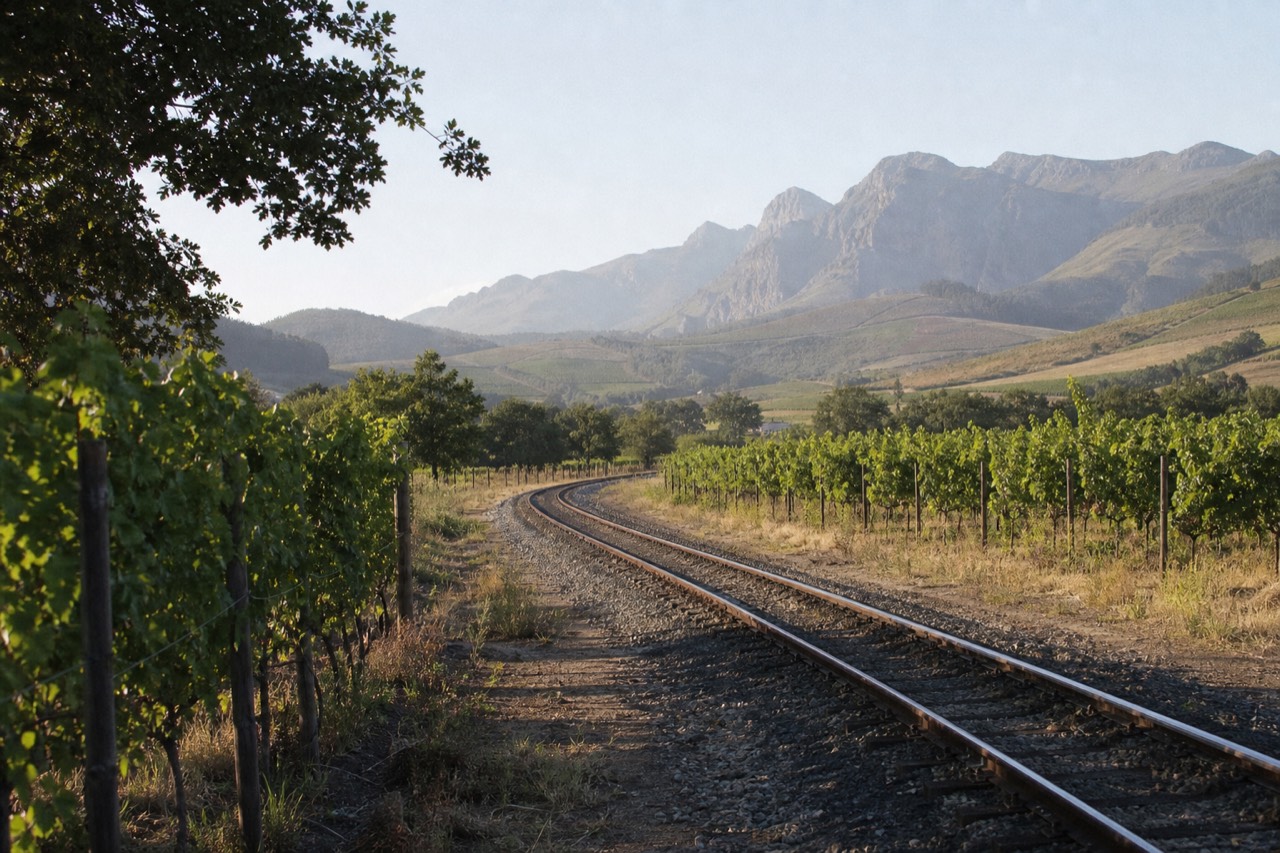
A morning in Franschhoek quickly becomes a happy selection problem: you can’t taste at 30 estates in a day, even if you ride the tram flat out. The valley’s intense concentration of wineries, all within a few kilometres of the village, means you need a shortlist before you set off. This guide from Cape Town Wine Tours picks the estates that repeat visitors and recent reviews consistently name as the best wineries in Franschhoek, what each is known for, and how to string them together without the day feeling rushed.
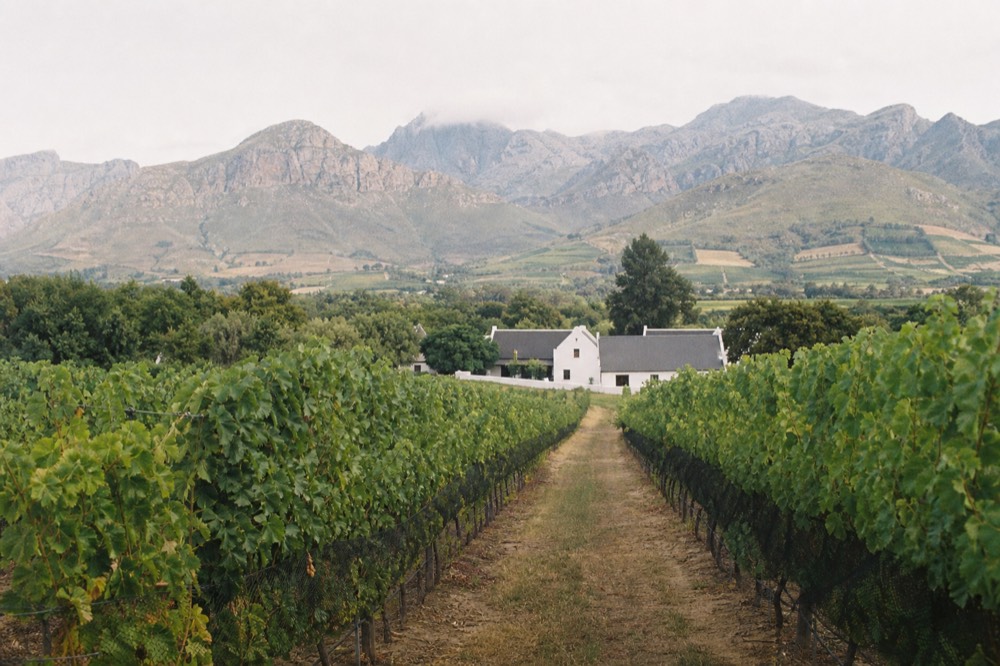
Which Franschhoek Wineries Are The Absolute Must‑Visit?
Franschhoek’s essential wineries are Boschendal for its historic setting and recently opened farm‑to‑fire restaurant, Grande Provence for award‑winning Bordeaux blends and sculpture gardens, Rickety Bridge for its intimate tasting room and classic Cap Classique, Vrede en Lust for panoramic mountain views and food‑friendly wines, and La Motte for its Provençal‑style estate and refined tasting experiences. These five estates collectively capture the valley’s blend of French heritage, gastronomy and top‑tier viticulture.
The list below draws on the current Franschhoek Wine Tram line‑up, which covers roughly 30 estates across five colour‑coded routes. Not every stop is a must‑visit, but the wineries here earn their reputation on the ground, not just on a map. Tasting fees at Franschhoek estates usually run R80–R250 per person, with premium or reserve flights often higher. Most estates waive or discount the fee if you buy a bottle.
| Winery | What it’s known for | Standout wine or experience |
|---|---|---|
| Boschendal | One of the oldest farms, expansive grounds, farm‑to‑fire restaurant Arum (opened November 2025) | The Werf Restaurant and a classic Boschendal Brut Rosé |
| Grande Provence | Sculpture‑filled gardens, Bordeaux‑style reds, refined tasting room | The Angel Tears range and the Owners’ Collection |
| Rickety Bridge | Intimate, family‑run feel, excellent Cap Classique and a shaded terrace | Paulina’s Reserve Brut and the Pinotage |
| Vrede en Lust | Dramatic Simonsberg views, food‑friendly modern wines, relaxed bistro | The Marguerite white blend and the Artisan Range |
| La Motte | Provençal‑style tasting room, fine‑dining pop‑up, estate‑wide art collection | The Pierneef Sauvignon Blanc and the flagship La Motte Cabernet Sauvignon |
| Plaisir de Merle | Historic Cape Dutch manor, polished reds, a quieter, more grown‑up stop | The Plaisir de Merle Cabernet Sauvignon and the Grand Plaisir |
| Allee Bleue | Herb and spice‑driven wines, a relaxed bistro and picnic‑friendly lawns | The Starlette Shiraz and the Isabeau white blend |
| Haute Cabrière | Hillside terrace with panoramic views, Chardonnay and Pinot Noir focus | The Pierre Jourdan Belle Époque and the Haute Cabrière Chardonnay‑Pinot Noir |
| Mont Rochelle | Richard Branson’s vineyard, compact tasting room, sweeping valley outlook | The Miko Chardonnay and the Mont Rochelle Syrah |
The table covers the estates most frequently mentioned by returning visitors, but the valley’s compact size means you can easily mix in a smaller, appointment‑only producer if you plan ahead.
What Is The Oldest Winery In Franschhoek?
Our research found no independently verified claim to the title of ‘oldest winery in Franschhoek.’ Unlike Groot Constantia, with its documented 1685 grant and continuous production, Franschhoek’s estates trace their origins to the 1680s Huguenot settlement, but no single estate is publicly recognised as the oldest operating wine farm. Several valley farms have late‑17th‑century land grants, yet none are universally promoted as the oldest.
This is one of those questions that trips up many Franschhoek first‑timers. The valley’s French Huguenot heritage is deeply woven into the landscape, and visitors naturally expect a single “historic flagship” winery equivalent to Groot Constantia. The reality is more nuanced. The original Huguenot settlers arrived in the late 1680s and were granted farmland in the valley, but the parcels were divided and re‑shaped over generations. Wine production was not always the primary focus in the early years, and a continuous, unbroken winemaking lineage from the 1600s is hard to document for any single estate.
What you get instead is a collective heritage. Boschendal’s original land grant dates to the 1680s, and the farm’s manor house and cellar date to the early 1700s. La Motte, too, traces its roots to a late‑17th‑century grant. Yet neither estate actively markets itself as the “oldest,” and independent wine historians do not single out one title‑holder. The Franschhoek Wine Valley’s own promotional material focuses on the broader Huguenot story rather than a single historic claimant. That’s a truthful answer, and it’s worth knowing before you ask a tasting‑room host and get a long, diplomatic reply.
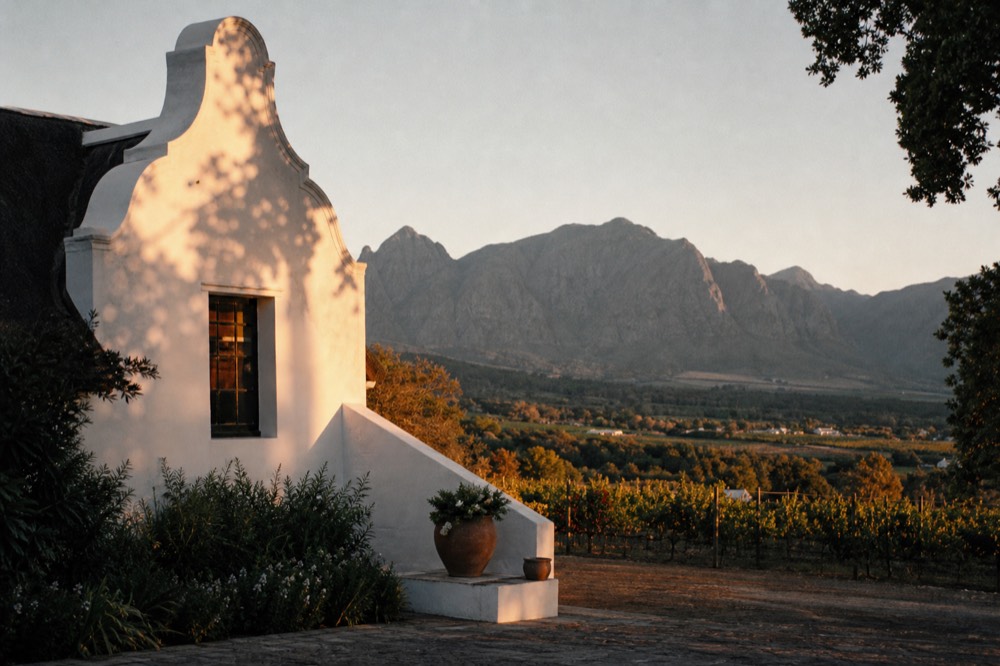
If you want a tangible sense of the valley’s age, the French Huguenot Museum and the nearby monument in the village are a better starting point. Then pair that with a visit to Boschendal’s manor house and a tasting at La Motte. You’ll absorb the history without needing a single “oldest” label.
Which Franschhoek Wineries Pair Best With A Meal?
Franschhoek’s reputation as South Africa’s gourmet village means several wineries house destination restaurants worth booking weeks ahead. Boschendal’s Arum, La Motte’s JAN Franschhoek pop‑up, Grande Provence’s restaurant and Plaisir de Merle’s bistro all offer high‑level food‑and‑wine pairings that turn a tasting into a long lunch. Reservations are essential, and the meals are experiences in their own right.
The valley’s food‑and‑wine marriage is so tight that many visitors plan their day around a lunch booking, then build the tasting route around it. Boschendal’s Arum, launched in November 2025, is a fire‑focused, farm‑to‑table restaurant in the estate’s historic 1812 cellar. The menu changes with the harvest, and the tasting room is a short walk away, so you can easily do a pre‑lunch tasting. La Motte, meanwhile, hosts the JAN Franschhoek pop‑up by Michelin‑starred chef Jan Hendrik van der Westhuizen, running from September 2026 through April 2027. Even if you don’t land a pop‑up seat, the estate’s regular tasting room is one of the valley’s most polished.
Grande Provence’s restaurant is a more formal affair, set in a restored manor house with a courtyard that catches the afternoon sun. The food is modern South African, and the wine list naturally leans heavily on the estate’s Bordeaux‑style reds. Plaisir de Merle keeps things simpler with a bistro that serves excellent charcuterie and cheese boards, perfect for a lighter stop when you don’t want a full multi‑course meal. Tasting fees at these estates follow the same R80–R250 range, but the restaurant tabs are separate and can add up quickly.
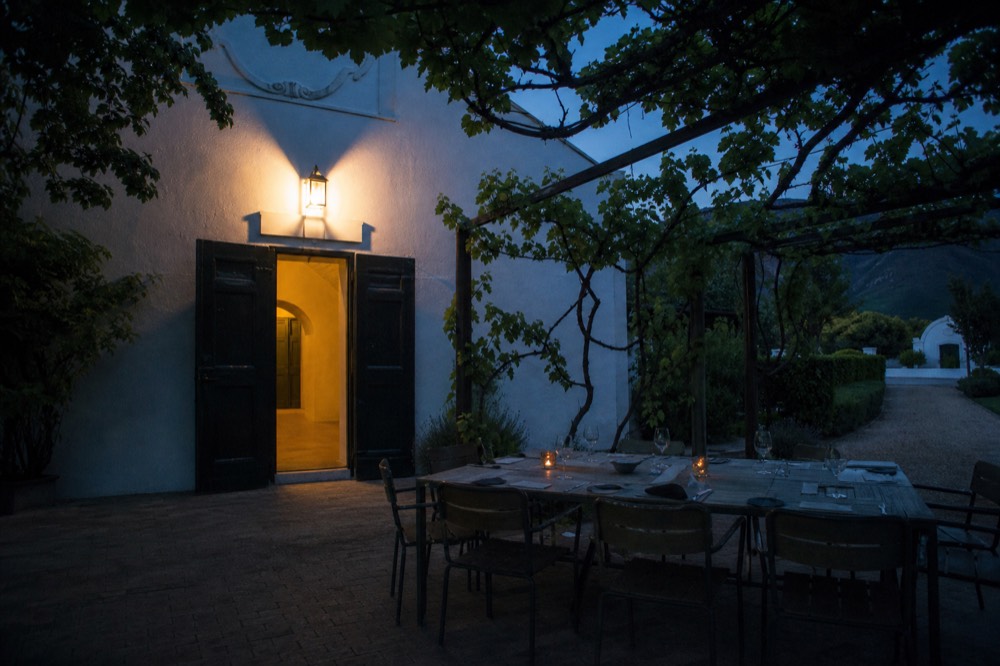
How Do I Plan A Day Visiting The Best Franschhoek Wineries?
The most efficient way to visit the top Franschhoek estates is to ride the Franschhoek Wine Tram, which stops at most of the wineries on this list across its five colour‑coded lines. Tickets cost R350 per adult, and tastings are extra, so budget R80–R250 per estate. The tram runs daily except major holidays, and booking ahead is essential during peak season from November to March.
Choose your operating route before booking estate tastings, and use that route’s timetable to plan two or three stops. Check each shortlisted estate against your selected departure; do not assume a city-transfer package lets you switch freely between all lines.
If you’re visiting during harvest season, which typically runs from late January through April, you might catch grape‑picking or stomping events at some estates. The valley is busiest from December to February, so a September or October visit brings spring blooms, fewer crowds and pleasant tasting weather. No matter when you go, the tram is the valley’s signature experience, and our Franschhoek Wine Tram guide walks you through every line in detail.
How Do Franschhoek’s Wineries Compare To Stellenbosch And Paarl?
Franschhoek is smaller, prettier and more food‑driven than Stellenbosch, with a denser, more curated feel that revolves around the village and the tram. Stellenbosch is larger, livelier and packed with a wider variety of tasting rooms, while Paarl feels bigger, quieter and more value‑oriented, with broader valleys and fewer tourist queues. The three valleys are only 30 minutes apart, so you can taste a bit of each in a single day.
The drive‑time facts help: Franschhoek is about 75 km from central Cape Town (60–70 minutes), while Stellenbosch is around 50 km (45–55 minutes) and Paarl is roughly 55–70 km via the N1. Franschhoek sits about 30 minutes further inland from Stellenbosch over the scenic Helshoogte Pass. What this means in practice is that Franschhoek feels more secluded, and the village itself is a destination, not just a base for winery‑hopping.
Stellenbosch’s energy comes from the university and a walkable town centre with plenty of independent restaurants and bars. Its concentration of estates offers plenty of choice, but a small shortlist leaves more time for each tasting and the journeys between them. Franschhoek’s tram is the valley’s signature, and it forces a more leisurely pace because you’re locked into hourly loops. Paarl is the largest by population, with a working‑farm feel, broader horizons and fewer crowds. Tastings there often feel more generous and less rushed, and the reds and fortified wines are a highlight. For a deeper head‑to‑head, our Stellenbosch or Franschhoek comparison breaks down the choice in detail.
The Franschhoek valley keeps evolving, and a handful of recent openings have shifted the dining‑and‑wine map. If you’re booking for the 2026 season, the JAN pop‑up and Arum are the two tables that get mentioned most often. Even if you can’t score a reservation, the estates themselves are worth visiting for the updated tasting rooms and the new energy they bring.
Common Questions About Franschhoek Wineries
Which are the best wineries in Franschhoek?
The standouts are Boschendal, Grande Provence, Rickety Bridge, Vrede en Lust, La Motte, Plaisir de Merle, Allee Bleue, Haute Cabrière and Mont Rochelle. Each offers a distinct experience, from historic grandeur to intimate tasting rooms and top‑notch restaurants.
What is the oldest winery in Franschhoek?
No single estate holds a verified claim to the title. Several estates, including Boschendal and La Motte, have late‑17th‑century land grants, but none is universally promoted as the oldest operating wine farm. The valley’s heritage is collective rather than centred on one winery.
Do I need to book tastings in advance?
For the most popular estates, especially during peak season (November to March), advance booking is recommended. Smaller, boutique estates often require reservations, while larger ones like Boschendal may accept walk‑ins, but booking ahead ensures you get a spot.
How much do wine tastings cost in Franschhoek?
Standard tasting fees range from R80 to R250 per person, with premium or reserve tastings often higher. Many estates waive or discount the fee if you purchase a bottle.
Can I visit Franschhoek wineries without a car?
Yes. The Franschhoek Wine Tram is the most popular hop‑on‑hop‑off option, covering around 30 estates on five colour‑coded lines. You can also book a private driver or join a guided tour from Cape Town that includes Franschhoek.
How long does it take to drive from Cape Town to Franschhoek?
The drive is about 75 km and takes 60–70 minutes, depending on traffic. Franschhoek is roughly 30 minutes further inland from Stellenbosch via the Helshoogte Pass.
Plan Your Wine Day
Starting recommendation. Adjust the choice below.
Cape Town Transfer And Franschhoek Wine Tram
Have a travel date in mind? Check it before arranging the rest of your day. Combine the return Cape Town coach with the Franschhoek hop-on-hop-off tram.
Full day, allow 8.5 hours; city collection points. Tastings and lunch extra; not wheelchair accessible.
Choose a date to see scheduled departures.
Published schedule, not confirmed seats. Availability and final price are confirmed on Viator.
Check Dates For Cape Town Transfer And Franschhoek Wine TramCompare options and your costs
- Cape Town Transfer And Franschhoek Wine Tram
- Combine the return Cape Town coach with the Franschhoek hop-on-hop-off tram. Full day, allow 8.5 hours; city collection points. Tastings and lunch extra; not wheelchair accessible.
- Private Winelands Day With Paired Lunch
- Combine four estate visits with three guided tastings and a paired gourmet lunch. 8 hours; English host, Cape Town pickup and private transport. Confirm chosen estates and dietary arrangements.
- Franschhoek Tram And Stellenbosch Guided Day
- Visit Stellenbosch and Franschhoek with a hosted itinerary and tram ride. 9 hours; central Cape Town pickup area. Tastings and meals depend on option; confirm terms, including cancellation.
This matches format and time, not personal suitability. Confirm the meeting point, language, ages and access arrangements for your party on the booking page.