What To Do In Stellenbosch For A Day?
A practical one-day Stellenbosch itinerary: morning in the oak-lined town centre, afternoon estate tastings, dinner picks, plus drive times, tasting fees and the rules you should know before you go.
What To Do In Stellenbosch For A Day?
The best use of a single day is a morning walking the oak-lined town centre, two or three estate tastings in the early afternoon within a short drive of town, and dinner back in Stellenbosch itself, where the restaurant scene stands on its own rather than depending on tourism. Build the day around one compact loop rather than zig-zagging across the region, because Stellenbosch sits roughly 50 km from central Cape Town via the N2/R310, a drive of about 45 to 55 minutes, and you do not want to spend your one day recovering from the road.
That travel time is the quiet advantage of choosing Stellenbosch over its neighbours. Franschhoek lies about 30 minutes further inland beyond Stellenbosch via Helshoogte Pass, and Paarl sits off the N1 in the other direction. If you only have one day, the town that is closest, densest and most walkable gives you the most back. You can be through the doors of a first cellar door before lunch and still have daylight left for the town itself, which is not something every Winelands destination can promise.
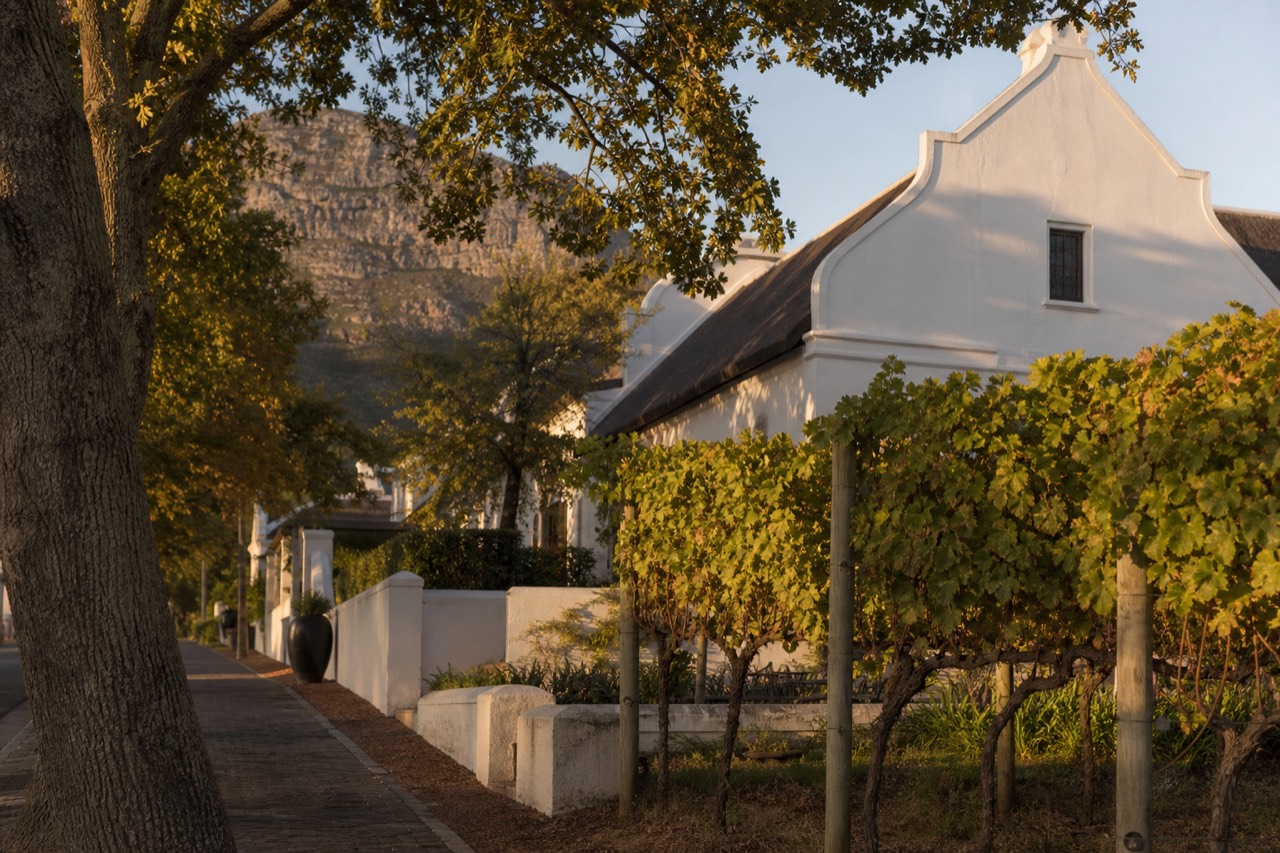
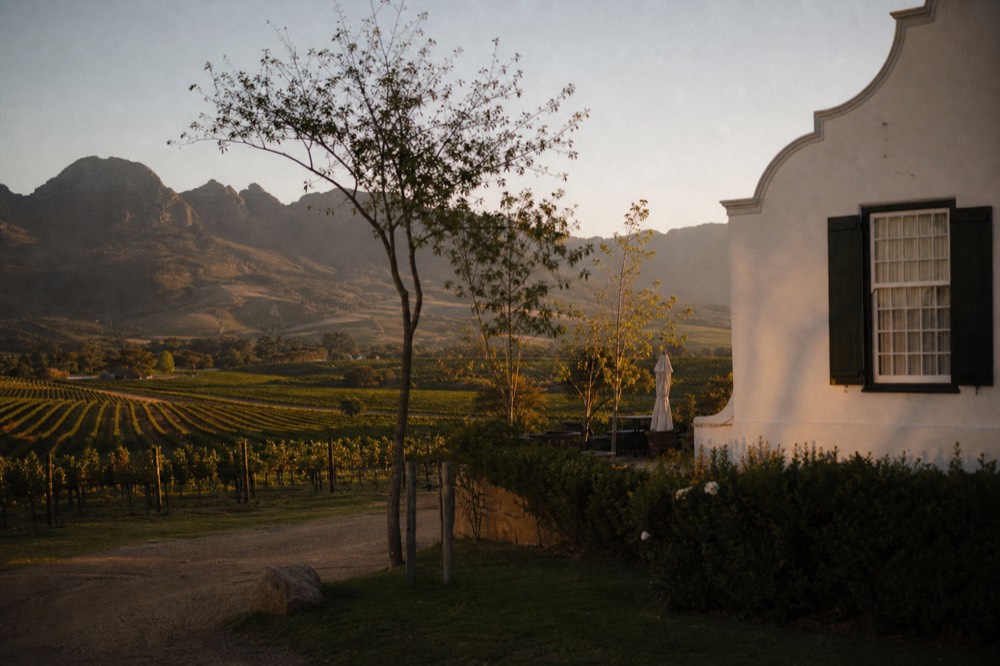
Stellenbosch is South Africa's second-oldest town, and it carries that history visibly: Cape Dutch gables, oak streets planted by early settlers, museums you can reach on foot, and a university population that keeps the cafes, bars and independent restaurants busy year-round. This is not a village that empties when the tour buses leave. It has its own life, which is precisely what makes a full day here feel different from a half-day photo stop somewhere prettier on a postcard but emptier in reality.
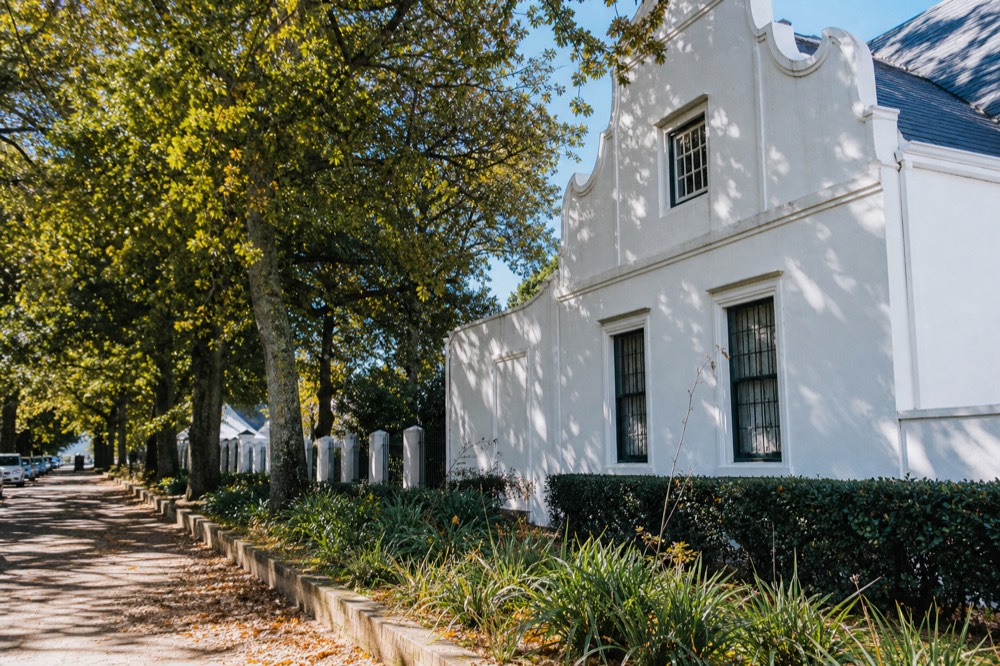
A workable shape for the day looks like this: arrive by 9:30, walk Church Street and Dorp Street with coffee, visit one museum or gallery, drive out to your first estate by 12:30, taste at two or three properties through the afternoon with a long lunch at one of them, and return to town for dinner around 19:00. This is an independent full-day itinerary; the five-hour guided outing below is a shorter alternative that returns to Cape Town.
Is It Worth Visiting Stellenbosch?
Yes, and for reasons that hold up beyond the postcard: Stellenbosch has the highest density of wine estates of any town in South Africa, a walkable historic centre, and an independent restaurant and nightlife scene driven by the university rather than by visitors, which means the town delivers value on a Tuesday in winter, not only in peak summer. It also carries current international standing, with Tokara at #71 and Delaire Graff at #79 on the World's 50 Best Vineyards 2025 list, both in the Stellenbosch area.
The estate density point deserves emphasis because it changes how a day feels. In many wine regions you spend your day driving between tastings. Around Stellenbosch the next cellar door is often ten minutes away, sometimes five, which lets you fit a genuine lunch between tastings instead of choosing one or the other. The surrounding wine routes cover everything from large, walk-in-friendly estates to small boutique properties where a booking is expected. That spread matters for a one-day visitor: you can be ambitious without being exhausted, and you can adjust on the fly if a tasting room is full.
The town itself rewards the hours you give it. Dorp Street is one of the oldest residential streets in South Africa, lined with restored Cape Dutch and Georgian houses. The village museum complex covers several buildings within a few blocks. Add the student energy of a university town, roughly an hour from Cape Town, and you get a place that feels lived-in rather than staged. Recent openings reinforce the food angle: Neil Ellis Wines unveiled a renovated tasting room with a new restaurant near Helshoogte Pass in October 2025, and Annandale Wines opened the family-friendly Toevlug eatery in a historic farmhouse the same month. Both are the kind of places that give a day-tripper a reason to linger past the last tasting.
Here is how a one-day plan can break down in practice, using drive-time realities rather than wishful thinking:
| Time | Activity | Why it works |
|---|---|---|
| 09:30-11:30 | Walk Church Street, Dorp Street, a museum | Town centre is compact and flat; everything is within 15 minutes on foot |
| 11:30-12:30 | Coffee and a gallery or market stop | Student-town cafes are open weekdays, not just weekends |
| 12:30-14:30 | Long lunch at an estate on the town fringe | Combines one tasting with a proper meal instead of rushing both |
| 14:30-17:30 | Two more tastings within a short drive | Estate density keeps transfers to 5-15 minutes |
| 19:00 onwards | Dinner back in town | Independent restaurant scene runs on its own schedule |
One honest caveat: if your heart is set on a hop-on-hop-off format, the famous one is the Franschhoek Wine Tram, not a Stellenbosch equivalent. The Stellenbosch Wine Tractor is a separate hop-on-hop-off experience around Golden Triangle estates, starting at Root44 Market. Its standard ticket excludes estate tastings, meals and travel from Cape Town. The Vine Hopper minibus is another distinct local service. For a fuller comparison of the options, the Franschhoek Wine Tram guide breaks down how that system works.
Does Stellenbosch Fall Under Cape Town?
No. Stellenbosch is its own municipality in the Cape Winelands district of the Western Cape, administratively separate from the City of Cape Town metro, and it sits roughly 45 to 55 minutes' drive from central Cape Town via the N2 and R310. You are genuinely leaving the metro when you visit, not crossing into an outer suburb, and that distinction shapes everything from your drive-time planning to whether an overnight stay makes sense for your trip.
The contrast with Constantia makes the point clearly. On a Constantia tasting trip the estates sit inside Cape Town's own southern suburbs, about 20 to 25 minutes from the City Bowl via the M3, so no long Winelands drive is required at all. Stellenbosch is a different proposition: the drive crosses the Cape Flats and then climbs into wine country, so the town behaves like a destination with its own traffic patterns, its own accommodation market and its own pace. Many visitors day-trip it from Cape Town, which is entirely reasonable at under an hour each way, but staying overnight buys you a slower morning and an easier dinner-without-driving decision.
That geography also shapes the drink-driving maths, and this is a fact worth knowing before you plan a self-driven day. South Africa runs a two-tier blood alcohol limit under the National Road Traffic Act: 0.05 g per 100 ml for ordinary drivers, but a stricter 0.02 g per 100 ml for professional drivers, a category that includes many tour and shuttle drivers holding a PrDP permit. In plain terms, the person driving your group on an organised tour is held to a tighter legal standard than you would be holding yourself to, which is one of the quieter arguments for handing over the keys between tastings.
Are There Wine Farms In Stellenbosch With Accommodation?
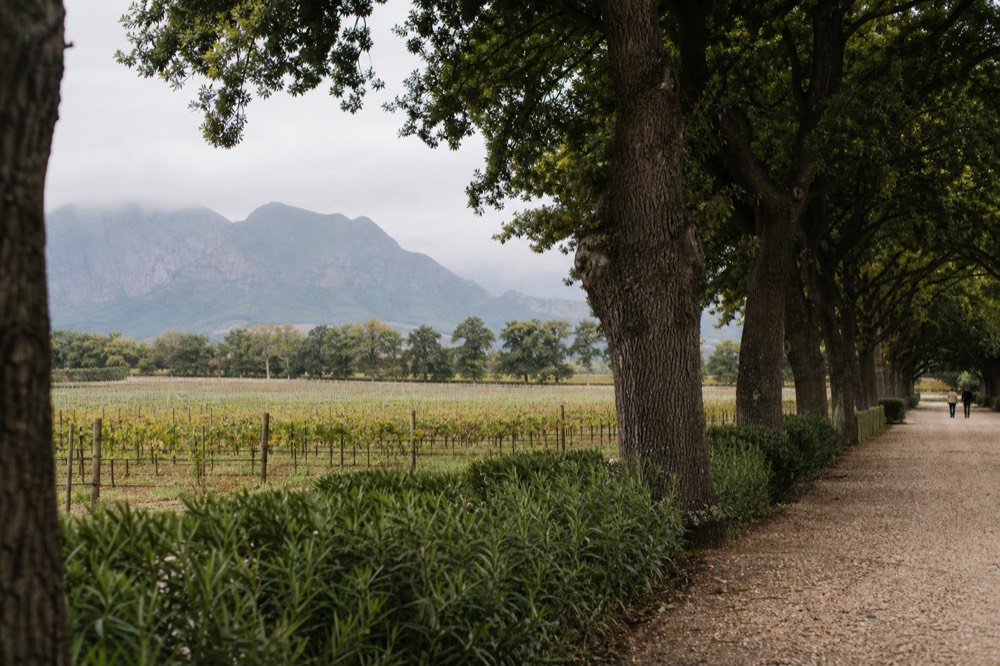
Yes. Several estates in the Stellenbosch area operate guesthouses or boutique lodging on the property itself, so an overnight stay inside a working wine farm is a real option, though we do not name specific properties here because none has been independently verified in our research; check individual estate listings directly for current availability, rates and minimum stays. Staying on a farm changes the rhythm of a visit: you taste at dusk without a drive back, and you wake up inside the landscape most people only photograph through a car window.
The practical case for an overnight is stronger in Stellenbosch than in some wine regions precisely because the town is far enough from Cape Town to make a late dinner followed by a drive home unappealing. An estate stay solves that cleanly. The alternative is a guesthouse in town, which puts the restaurant scene within walking distance, a genuinely pleasant trade given how good that scene currently is. Some travellers split the difference: one night in town for the restaurants, one on a farm for the mornings.
Book well ahead if your visit falls in the peak window. Crowding in the Winelands runs highest from December through February and into early March, overlapping with school holidays and the harvest season, which typically runs from late January through April. Shoulder periods, September to November or post-harvest March and April, tend to balance thinner crowds against still-active cellar doors. A September visit, for the record, lands in spring: warming days, fewer visitors than midsummer, and landscapes coming into bloom, though the harvest festivities themselves will have finished months earlier.
What Should You Know Before A Day Of Tasting?
Plan around four practical realities: the legal drinking age is 18 nationwide with ID checks at tasting rooms, standard tasting fees usually run R80 to R250 per person, advance booking is expected at smaller estates especially from November to March, and anyone self-driving should treat the two-tier blood alcohol limit as a hard reason to pace themselves or book a driver. None of this is complicated, but each item has ended more than one otherwise well-planned Winelands day.
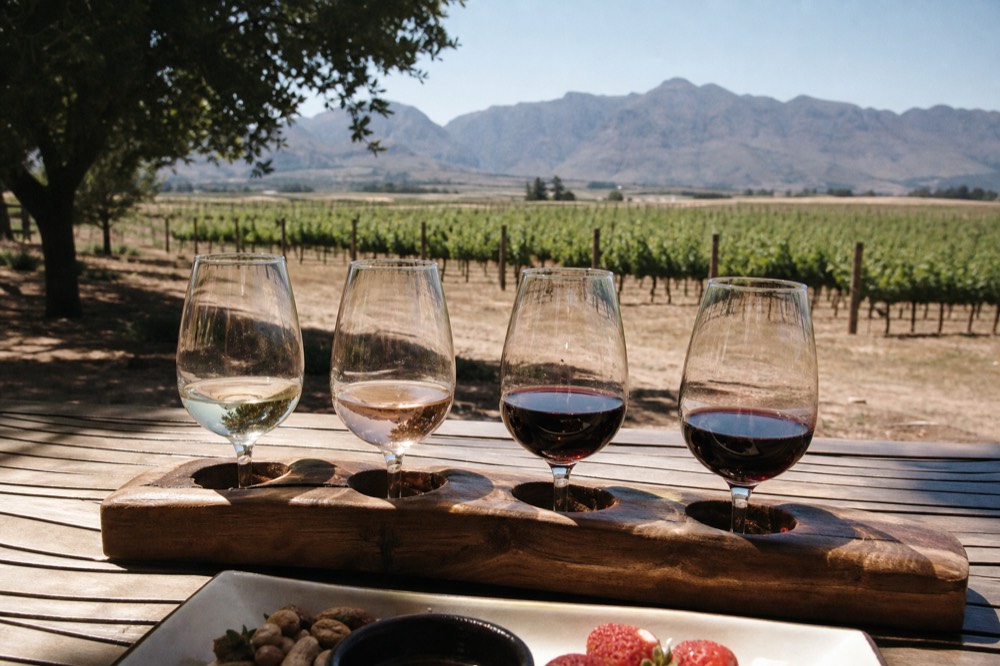
Tasting fees are a planning range, not a promise: a standard flight commonly sits between R80 and R250 per person, with premium tastings higher, and many estates waive or refund the fee with a bottle purchase. Spitting is normal and encouraged at cellar doors, particularly if anyone in your group is driving afterward, so nobody needs to be shy about it. The staff see it every day, and it is the difference between enjoying your fourth estate and merely surviving it.
On bookings, the pattern is consistent: large commercial estates often absorb walk-ins during published hours, while boutique properties expect a reservation, and peak season tightens everything. If a specific estate matters to you, book it before you leave home. The drinking age point is also worth stating plainly: South Africa's minimum age to buy or be served alcohol is 18, and tasting rooms are legally required to ask for ID from anyone who looks younger, so bring a passport or licence for the whole group if any member is anywhere near the line.
Both half-day departures return to Cape Town. A morning spent independently in Stellenbosch or dinner there needs its own transport arrangements; the Stellenbosch wine tours from Cape Town guide explains departure options.
For travellers weighing Stellenbosch against its neighbour, the honest summary is that Stellenbosch rewards a day-tripper with density, walkability and a real town, while Franschhoek offers the smaller, more curated gourmet-village experience, a comparison covered in detail in Stellenbosch or Franschhoek. Whichever way you lean, Cape Town Wine Tours keeps the region's tour options, drive times and seasonal notes in one place so you can plan the day that fits.
A single day in Stellenbosch works best as a three-part rhythm: morning on foot in the town centre, afternoon among the cellar doors on a tight loop, and evening back in town for dinner, with the practical rules around drinking age, bookings and driving sorted before you arrive. The questions below cover the specifics travellers ask most often, from whether the town belongs to Cape Town to what tastings actually cost.
Common Questions About Visiting Stellenbosch For A Day
What to do in Stellenbosch for a day?
Walk the oak-lined town centre in the morning, visit one or two museums or galleries, take a long lunch at an estate on the town fringe, taste at two or three more cellar doors through the afternoon, and finish with dinner back in town. The estate density around Stellenbosch keeps transfers between tastings short, so a single well-sequenced loop covers more than most first-time visitors expect.
Is it worth visiting Stellenbosch?
Yes. It is South Africa's second-oldest town, holds the highest density of wine estates in the country, and has a restaurant and nightlife scene driven by its university population rather than by tourism. Two of its estates, Tokara and Delaire Graff, placed on the World's 50 Best Vineyards 2025 list.
Does Stellenbosch fall under Cape Town?
No. Stellenbosch is its own municipality in the Cape Winelands district, separate from the City of Cape Town metro, roughly 45 to 55 minutes' drive from central Cape Town via the N2 and R310.
Are there wine farms in Stellenbosch with accommodation?
Yes, several estates in the area operate guesthouses or boutique lodging on-site. Because no specific property has been independently verified in our research, check individual estate listings directly for current availability and rates.
How much do tastings cost in Stellenbosch?
Standard tasting fees usually run R80 to R250 per person, with premium tastings higher, and many estates waive or refund the fee with a bottle purchase. Treat these as planning ranges and confirm current prices with each estate.
When is the best time to visit Stellenbosch?
Crowds peak from December through February into early March, overlapping with harvest season, which runs from late January through April. Shoulder periods, September to November or post-harvest March and April, usually offer a better balance of manageable crowds and active cellar doors.
Plan Your Wine Day
Starting recommendation. Adjust the choice below.
Stellenbosch Half-Day Tastings And Pairings
Have a travel date in mind? Check it before arranging the rest of your day. Combine two winery visits and food pairings with time in Stellenbosch.
5 hours; English, Cape Town hotel pickup and return. Tastings included; lunch extra. Confirm winery route and pickup.
Choose a date to see scheduled departures.
Published schedule, not confirmed seats. Availability and final price are confirmed on Viator.
Check Dates For Stellenbosch Half-Day Tastings And PairingsCompare options and your costs
- Stellenbosch Half-Day Tastings And Pairings
- Combine two winery visits and food pairings with time in Stellenbosch. 5 hours; English, Cape Town hotel pickup and return. Tastings included; lunch extra. Confirm winery route and pickup.
- Stellenbosch Wine Tractor From Root44
- Ride between working vineyards and choose your estate stops on the tractor loop. 3–10 hours within the timetable. Root44 start and return; arrive 30 minutes early. Welcome taster included; estate tastings, lunch and transfer extra. Not wheelchair accessible.
- Private Wine Expert: Stellenbosch And Franschhoek
- Request your preferred Winelands focus and taste at four estates with a specialist wine guide. 8 hours; Cape Town pickup area. Four tastings included; lunch extra. Ages 18–80, minimum two adults. Confirm requested estates before booking; private group.
This matches format and time, not personal suitability. Confirm the meeting point, language, ages and access arrangements for your party on the booking page.