Cape Winelands Wine Tour Guide: Regions, Formats, Costs And Timing
Four wine regions sit within an hour of Cape Town, and the tour market serving them splits into a handful of distinct formats. This guide compares the regions side by side, explains who each format suits, and covers the legal and seasonal facts most first-time visitors miss.
Short answer
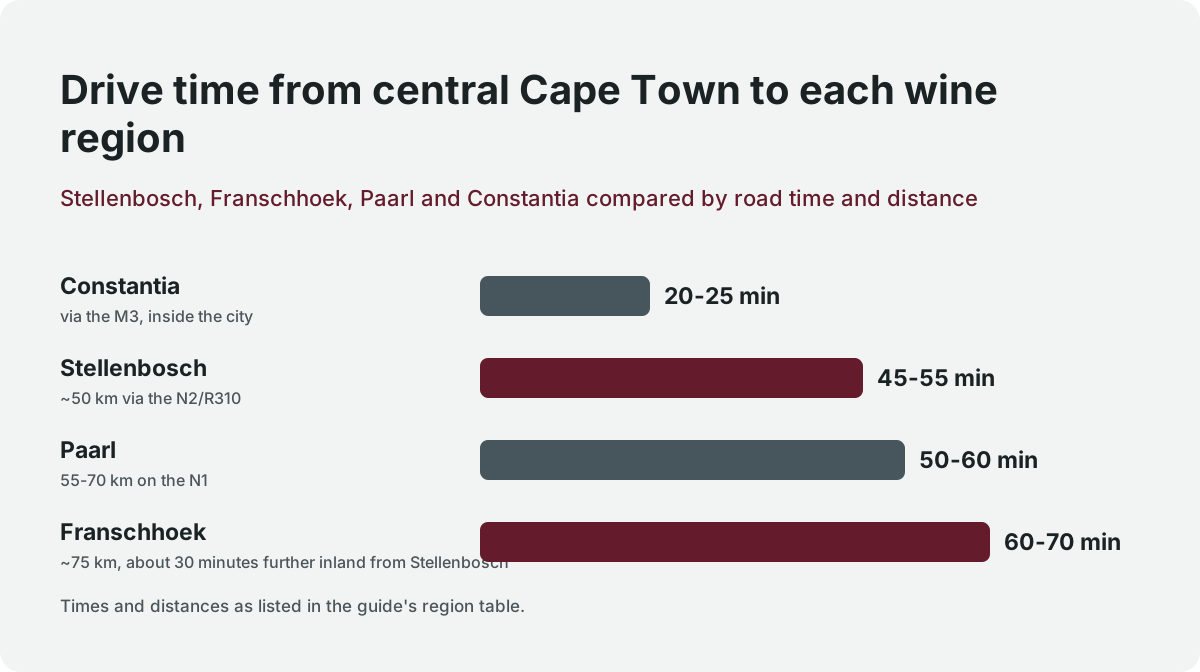
Stellenbosch sits about 50 km from central Cape Town, Franschhoek about 75 km, Paarl 55-70 km, and Constantia inside the city itself, 20-25 minutes by road. Tours run as small-group minivan day trips, the hop-on-hop-off Franschhoek Wine Tram (R350 adult), private drivers, or Constantia half-days. Check the selected package: many guided tours include tastings, while tram tickets leave estate tastings and meals extra.
Four wine regions sit within roughly an hour's drive of central Cape Town, and each one sells a different day out. Stellenbosch is a university town with the highest density of estates anywhere in the country. Franschhoek is a compact, food-driven village with French Huguenot roots. Paarl is a bigger, quieter working agricultural town. Constantia is not even a separate destination: it sits inside Cape Town's southern suburbs, about 20-25 minutes from the City Bowl via the M3.
The tour market built on top of those regions is equally varied. Small-group minivan day trips, the hop-on-hop-off Franschhoek Wine Tram, private drivers, and short Constantia half-days all coexist, and they suit very different travelers. This guide compares the regions, the formats, the costs and the timing in one place, and it closes with the compliance facts most visitors only learn at the tasting-room door.
Which Wine Region Should You Visit From Cape Town?
The practical answer is that Stellenbosch is the best all-rounder for a first visit, Franschhoek wins for food and a car-free day out, Paarl offers the best value and the fewest queues, and Constantia is the only option that fits a half-day inside the city itself, roughly 20-25 minutes away by road via the M3.
Each region pairs a different drive with a different character. Stellenbosch, South Africa's second-oldest town, runs about 50 km from central Cape Town, typically 45-55 minutes via the N2/R310. Franschhoek is roughly 75 km and 60-70 minutes, about 30 minutes further inland from Stellenbosch via scenic passes like Helshoogte. Paarl sits 55-70 km out on the N1, usually 50-60 minutes depending on traffic.
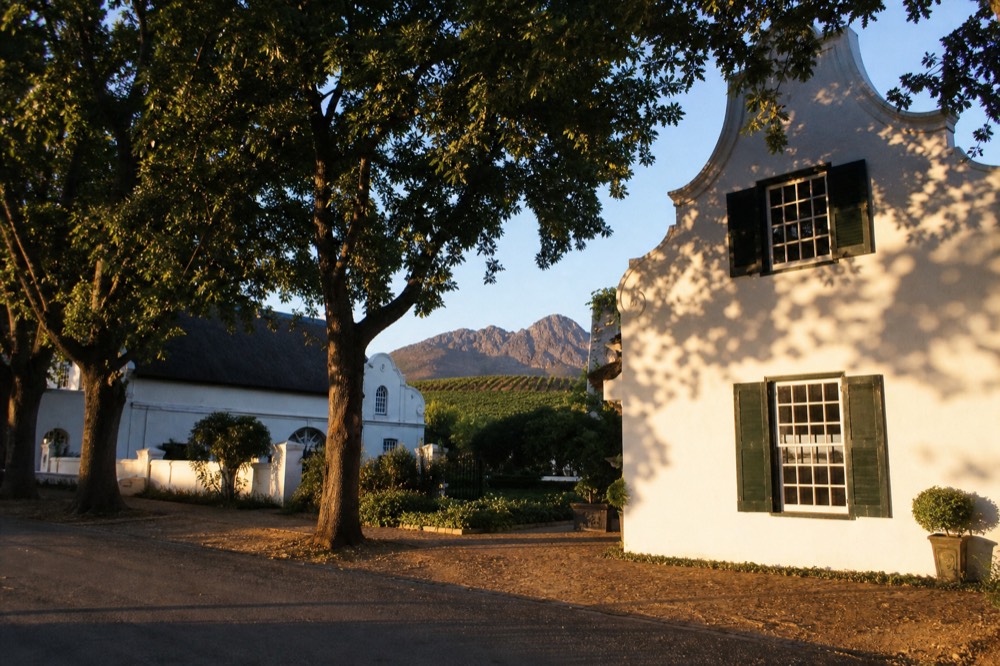
The character differences matter more than the drive times. Stellenbosch has oak-lined streets, a walkable center, museums and a restaurant and nightlife scene that runs independently of tourism. Franschhoek is smaller and more polished, a "gourmet village" of boutiques, galleries and chef-driven restaurants, and it is home to the Wine Tram. Paarl, the largest by population, feels less curated: broader valleys, bigger estates, working-farm vibes and a leaning toward bigger reds and fortified styles.
| Region | Drive from central Cape Town | Character | Price tier | Best for |
|---|---|---|---|---|
| Stellenbosch | ~50 km, 45-55 min (N2/R310) | Historic university town, highest estate density | Mid to high | First-timers, variety, walkable town |
| Franschhoek | ~75 km, 60-70 min | Gourmet village, French Huguenot heritage | High | Food-led trips, car-free days via the Tram |
| Paarl | 55-70 km, 50-60 min (N1) | Working agricultural town, broad valleys | Value | Budget-conscious visitors, fewer crowds |
| Constantia | 20-25 min via the M3, inside the city | Historic valley, eight-estate wine route | Mid | Half-days, tight schedules, cruise stops |
One detail that surprises first-time visitors: Constantia is not a winelands day trip at all. It lies within Cape Town's southern suburbs, so a tasting there costs you a short taxi or rideshare ride, not a countryside excursion. If you want a deeper comparison of the two headline regions, read Stellenbosch or Franschhoek: which is better; if the whole decision feels overwhelming, our guide to choosing a wine region walks through it question by question.
The 2025 World's 50 Best Vineyards list, announced in November 2025, placed Tokara at #71 and Delaire Graff at #79, both in Stellenbosch, and La Motte at #94 in Franschhoek. Klein Constantia ranked #6 overall and was named Best Vineyard in Africa, which is a useful nudge for anyone who assumed the famous estates are all out in the winelands proper. Groot Constantia, granted to Simon van der Stel on 13 July 1685 and widely described as South Africa's oldest wine-producing estate, anchors the Constantia valley, though Steenberg Farm, granted in 1682 to Catharina Ras, the first recorded female landowner at the Cape, actually predates it.
What Tour Formats Are Actually Available From Cape Town?
The market offers four real formats: small-group minivan day trips covering three to four estates, the self-guided hop-on-hop-off Franschhoek Wine Tram, private drivers or private guided tours with different pricing structures, and Constantia-only half-day trips, and the honest trade-off is flexibility against planning load and price per person.
Guided day trips range from small minivans to larger coaches. A set itinerary bundles transport, a guide and the inclusions specified by the operator; some include all advertised tastings, while others sell transport-only packages. You give up route control and gain an organized tasting schedule.
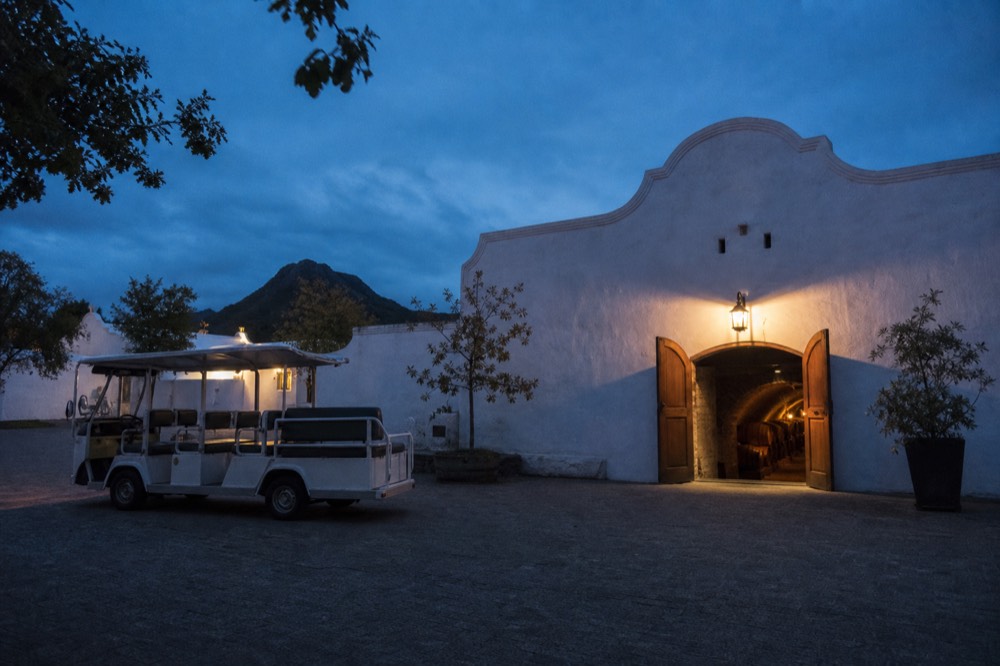
The Franschhoek Wine Tram is the second format, and it is self-guided by design. It runs five color-coded lines through the Franschhoek Valley on vintage-style trams and open-air tram-buses, each line looping 7-9 estates, roughly 30 collectively, with hourly hops. Bought directly in the valley, the hop-on-hop-off ticket alone is R350 per adult, R90 for children 3-17, and under-3s ride free; tastings and meals at the estates are extra, typically R60-R260 per person. The featured tour below is a different product built around that same tram day: it bundles the round-trip transfer from Cape Town with the tram ticket, so travelers without their own car do not need a separate ride out to Franschhoek. It runs daily except major holidays such as 24-25 December and 31 December-1 January. The official operator site is winetram.co.za.
Private drivers and private guided tours are the third format. Driver-only bookings usually charge for the vehicle and time; guided tours may quote per person and include tastings. Confirm the route, included visits and complete group price. Constantia half-days offer a shorter alternative within Cape Town, generally visiting selected estates rather than the whole valley.
The Tram deserves its own honesty note: there is no literal "Cape Town Wine Tram." The real product is the Franschhoek Wine Tram, based about an hour's drive from central Cape Town, and most Cape Town packages are transfer-plus-ticket combinations. Two other hop-on-hop-off products exist in the region, the Stellenbosch Wine Tractor and the Vine Hopper minibus, and both are real; the Wine Tractor now has local and city-transfer booking options in our guide. If you are weighing the Tram against a guided tour or a private driver, that comparison is broken out here.
Food-led full-day tours are a distinct option for travelers who want pairings and a vineyard lunch as part of the itinerary. Check which meals and pairings the selected package includes.
How Much Does A Winelands Wine Tour Cost?
Start with the current tour quote and add only its exclusions. Tram-only tickets leave the city transfer, tastings and meals separate; many guided tours include their advertised tastings. Check any tasting-fee purchase credit with the estate.
On a self-directed day, estimate tasting fees for the estates you actually plan to visit. On a packaged tour, avoid adding the same tastings twice: the listing sets out what the ticket already covers.
| Cost item | Typical range | Notes |
|---|---|---|
| Estate tasting flight | R80-R250 pp | Confirm any purchase credit with the estate |
| Wine Tram hop-on-hop-off ticket | R350 adult, R90 child 3-17 | Under-3s free; tastings and meals extra |
| Estate tastings and meals on the Tram | R60-R260 pp | Paid at each estate |
| Guided small-group day tours | Price on the live listing | Usually includes transport, guide, some tastings |
| Private driver or private tour | Price on the live listing | May be per vehicle, group or person; compare the full quote |
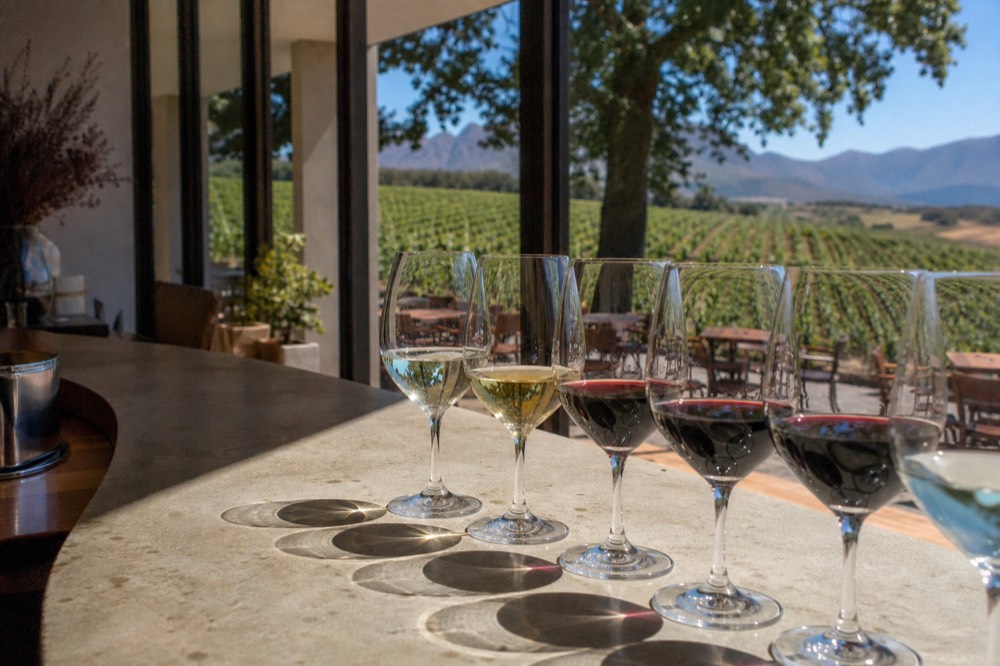
Guided and private tours do not publish one fixed market-wide price, so treat any figure you see elsewhere with caution. The honest approach is to check the operator's live listing. For a fuller cost breakdown across South African tours generally, see how much South Africa tours cost.
Spitting buckets are standard at tasting rooms, but do not use spitting as a guarantee that you can drive safely. Arrange a non-drinking driver or a tour if you will taste. A self-guided tram day also requires time for route choice and lunch reservations; a guided day handles that planning.
Which Tour Format Fits Which Traveler?
Solo travelers and couples who want low stress fit small-group day trips best, families and groups can compare a private vehicle quote against shared tickets, independent travelers who like building their own day fit the Tram, and a five-hour Constantia trip suits a shorter outing if its pickup and return times fit your plans.
The matching exercise is simpler than it looks, because each format fails in a predictable way. A private driver may cost more for one or two people, but buys route control. The tram has onboard narration, but travelers who want a guide throughout their estate visits may prefer a hosted tour. A small-group tour frustrates anyone who reads a menu for ten minutes, because the minivan leaves on schedule.
| You are... | Best format | Why |
|---|---|---|
| First-time visitor, one winelands day | Small-group three-region tour | Covers the most ground with zero planning |
| Couple, food-led priorities | Franschhoek Tram plus lunch | The valley's restaurants are the draw |
| Group of 4-6 with shared tastes | Private driver | Per-person cost drops; itinerary is yours |
| Short on time or on a cruise stop | Constantia half-day | 20-25 minutes from the City Bowl |
| Independent, budget-conscious | Tram plus self-booked tastings | Flexible estate budget, more planning |
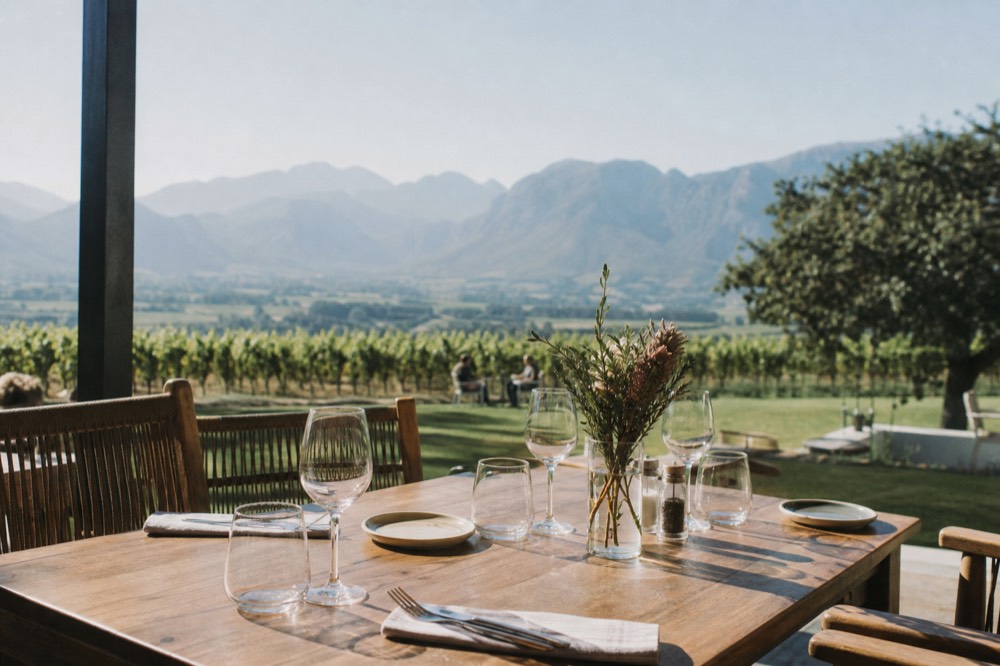
A three-region guided day gives you a sample of Stellenbosch, Franschhoek and Paarl; a focused day in one valley leaves more time at each estate. Choose breadth or depth before comparing the headline prices.
Cancellation terms vary by product and option. Read the conditions for the departure you choose before paying.
What Should You Know Before You Go?
The legal drinking and purchase age is 18 nationwide, tasting rooms are required to ask for ID from anyone who looks under 18, and South Africa runs a two-tier drink-driving limit in which professional drivers including tour drivers are held to a stricter 0.02 limit, which is a real argument for booking a tour rather than self-driving between tastings.
The age rule is simple and strictly applied. Selling or supplying alcohol to anyone under 18 is a criminal offence under the Liquor Act 59 of 2003, and licensees, winery tasting rooms included, must request ID, a passport or a driver's licence from anyone who appears under 18 before serving. Refusal to produce ID means the person is treated as under 18 and denied service.
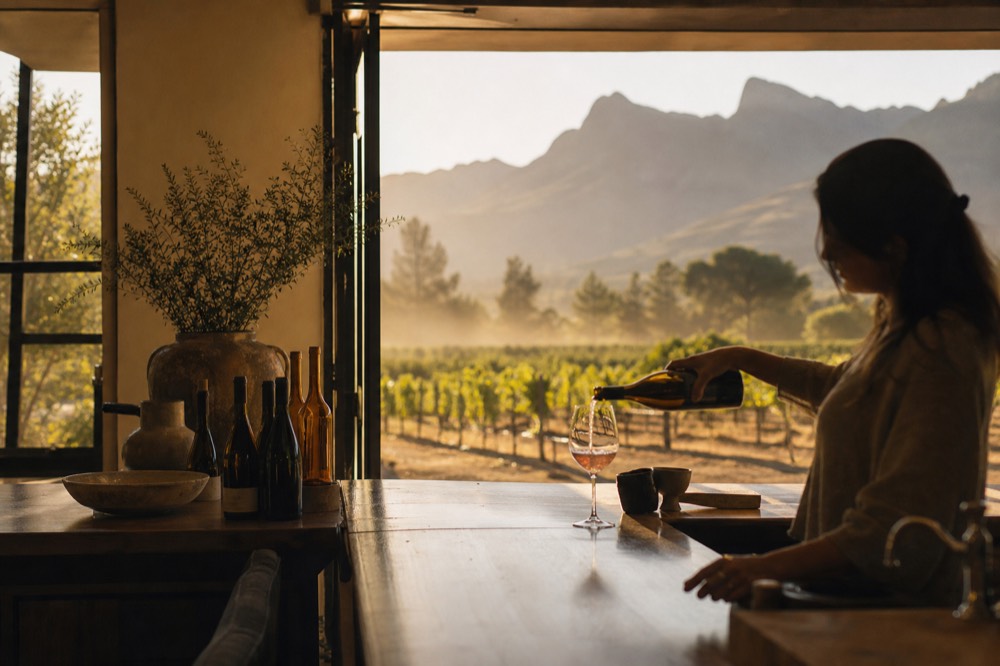
The drink-driving rules are the part most visitors never hear about. Under section 65 of the National Road Traffic Act 93 of 1996, ordinary drivers are held to 0.05 g per 100 ml of blood, but professional drivers, a category covering many tour and shuttle drivers through the PrDP permit, are held to 0.02 g. A zero-tolerance limit has been signed into law but is not yet in force as of this guide's date. The practical consequence: your tour driver is legally held to a stricter standard than you would be holding yourself, which is one of the quiet structural arguments for organized transport between estates.
Advance reservations are the third practical rule. There is no uniform legal requirement, but booking ahead is widely recommended or required in practice across all four regions, especially at smaller boutique estates and in peak season, roughly November to March. Larger estates often accommodate walk-ins during published hours when capacity allows, while some named estates explicitly require booking.
When Is The Best Time Of Year For A Winelands Wine Tour?
Harvest, the crush, typically runs from late January through April, peak tourist crowding lands in December to February, and the shoulder windows of September to November and post-harvest March to April usually give the best balance of weather, activity and thinner crowds, so the answer depends on whether you want festive energy or quiet tasting rooms.
The seasonal logic follows a Mediterranean climate: hot dry summers, cool wet winters. The "Cape Doctor" south-easterly wind blows from September to March, cooling the vineyards but occasionally disrupting outdoor tastings. Summer highs sit around 28-29°C with minimal rain; winter brings roughly 18°C highs and the wettest months.
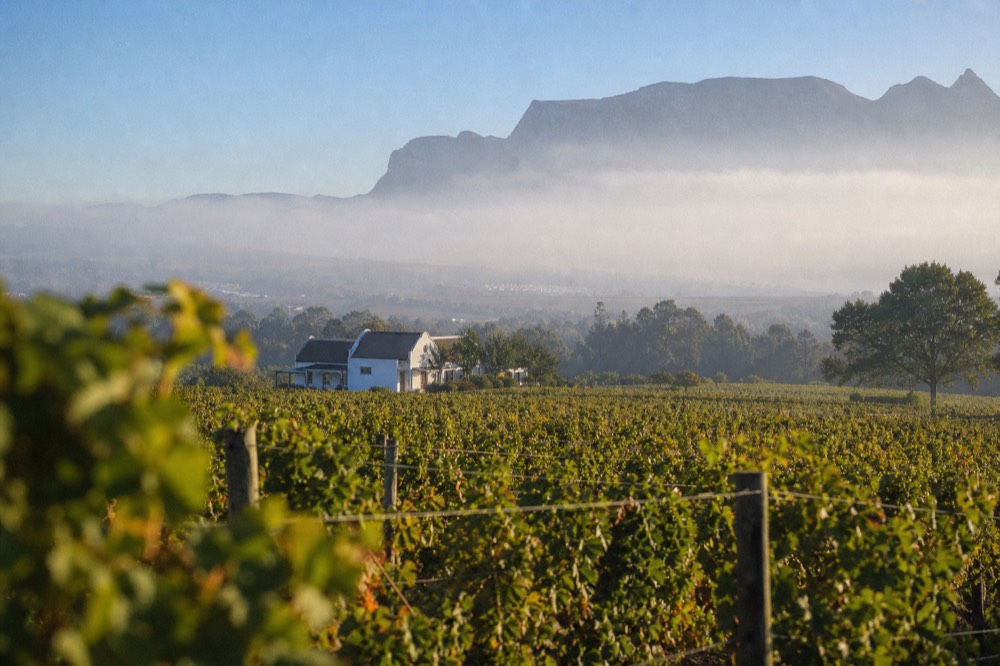
If you want to see the winelands at work, aim for the crush. The 2026 season illustrated it well: the first fruit arrived at one estate on 8 January, and the overall harvest completed nearly two weeks earlier than the long-term norm. Dated 2026 harvest events included the Stellenbosch Harvest Parade on 31 January, Delheim's Harvest Festival on 30-31 January, and grape stomping at Babylonstoren's Soetmelksvlei from 4-22 February at R550 per person.
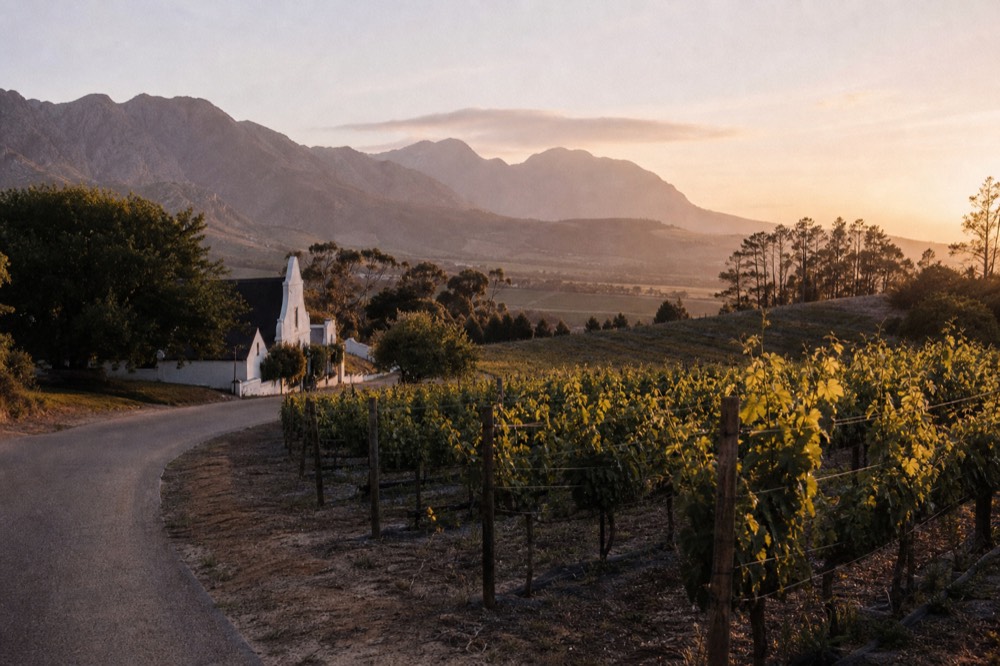
For a visit in the current spring window, expect warming days, fewer crowds than the December-February peak, and wildflowers in the wider region. No harvest events run then, but tasting rooms are calmer and estate staff have more time per visitor. Wesgro's visitor tracking for the Cape Winelands in the first half of 2025 found April was the peak month overall, which is a useful signal that even the "quiet" shoulder has busy edges worth planning around.
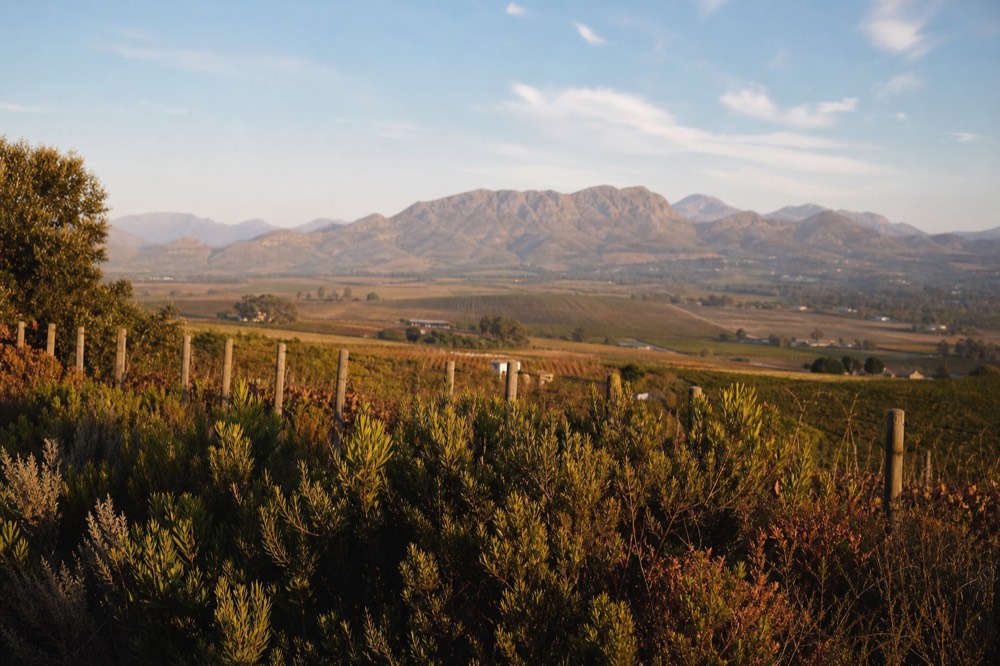
The one-sentence summary this site stands behind: the best month is the one matching your priority, February for harvest energy, September to November for balance, and March to April for post-crush calm, and Cape Town Wine Tours exists to help you make exactly that call with real figures rather than hype.
These are the questions travelers ask most often about wine tours from Cape Town, and the short answers below pull together the region comparison, the cost ranges, the compliance rules and the seasonal timing covered in full in the sections above, so you can plan a winelands day in a couple of minutes.
Common Questions About Planning Your Cape Winelands Trip
Which wine region should I visit from Cape Town?
Stellenbosch is the best all-rounder for a first visit, about 50 km and 45-55 minutes from central Cape Town. Franschhoek suits food-led travelers, Paarl offers value and fewer crowds, and Constantia, 20-25 minutes away inside the city, fits half-days.
How much does a wine tour from Cape Town cost?
Tasting flights at estates typically run R80-R250 per person, and the Wine Tram hop-on-hop-off ticket is R350 per adult with R90 for children 3-17. Guided and private tours are priced on the operator's live listing rather than a fixed public schedule.
Is there a Cape Town Wine Tram?
No. The real product is the Franschhoek Wine Tram, based about an hour's drive from central Cape Town. Cape Town packages are usually transfer-plus-ticket combinations. The Stellenbosch Wine Tractor and Vine Hopper are separate products. Our Wine Tractor guide includes local tickets and a Cape Town transfer package.
What is the drinking age and ID rule at wineries?
The legal purchase and drinking age is 18 nationwide. Tasting rooms must request ID, a passport or a driver's licence from anyone who appears under 18, and refusal to produce it means denial of service.
Can I drive myself between tastings?
Arrange a non-drinking driver if your party will taste wine. Do not rely on spitting or estimating alcohol intake to decide whether to drive. Guided tours and transfers remove that driving responsibility.
When is harvest season in the Cape Winelands?
The crush typically runs from late January through April. Peak tourist crowding is December to February, and the shoulder windows of September to November and March to April balance crowds, weather and activity best.
Plan Your Wine Day
Starting recommendation. Adjust the choice below.
Three Regions And Three Wineries By Coach
Have a travel date in mind? Check it before arranging the rest of your day. Taste 15 wines across Paarl, Franschhoek and Stellenbosch with a guided coach day.
Full day, allow 8.5 hours; predefined Cape Town collection points. Tastings and pairings included; lunch extra. Shared coach.
Choose a date to see scheduled departures.
Published schedule, not confirmed seats. Availability and final price are confirmed on Viator.
Check Dates For Three Regions And Three Wineries By CoachCompare options and your costs
- Three Regions And Three Wineries By Coach
- Taste 15 wines across Paarl, Franschhoek and Stellenbosch with a guided coach day. Full day, allow 8.5 hours; predefined Cape Town collection points. Tastings and pairings included; lunch extra. Shared coach.
- Cape Town Transfer And Franschhoek Wine Tram
- Choose estate stops on the operating tram route, with the return city coach included. 8.5 hours; predefined Cape Town pickup points. Tastings and lunch extra. Not a tram-only ticket.
- Constantia Half-Day Tastings
- Visit Groot Constantia and another valley estate with tasting fees and city transport included. 5 hours; English guide and Cape Town pickup. Second estate may be Beau Constantia or Constantia Glen. Lunch extra.
- Private Wine Expert: Stellenbosch And Franschhoek
- Request your preferred Winelands focus and taste at four estates with a specialist wine guide. 8 hours; Cape Town pickup area. Four tastings included; lunch extra. Ages 18–80, minimum two adults. Confirm requested estates before booking; private group.
This matches format and time, not personal suitability. Confirm the meeting point, language, ages and access arrangements for your party on the booking page.