How Do I Go From Cape Town To Stellenbosch?
Transport options from Cape Town to Stellenbosch: drive times, routes, self-drive versus organized tours and private drivers, plus honest notes on the train question and day-trip costs.
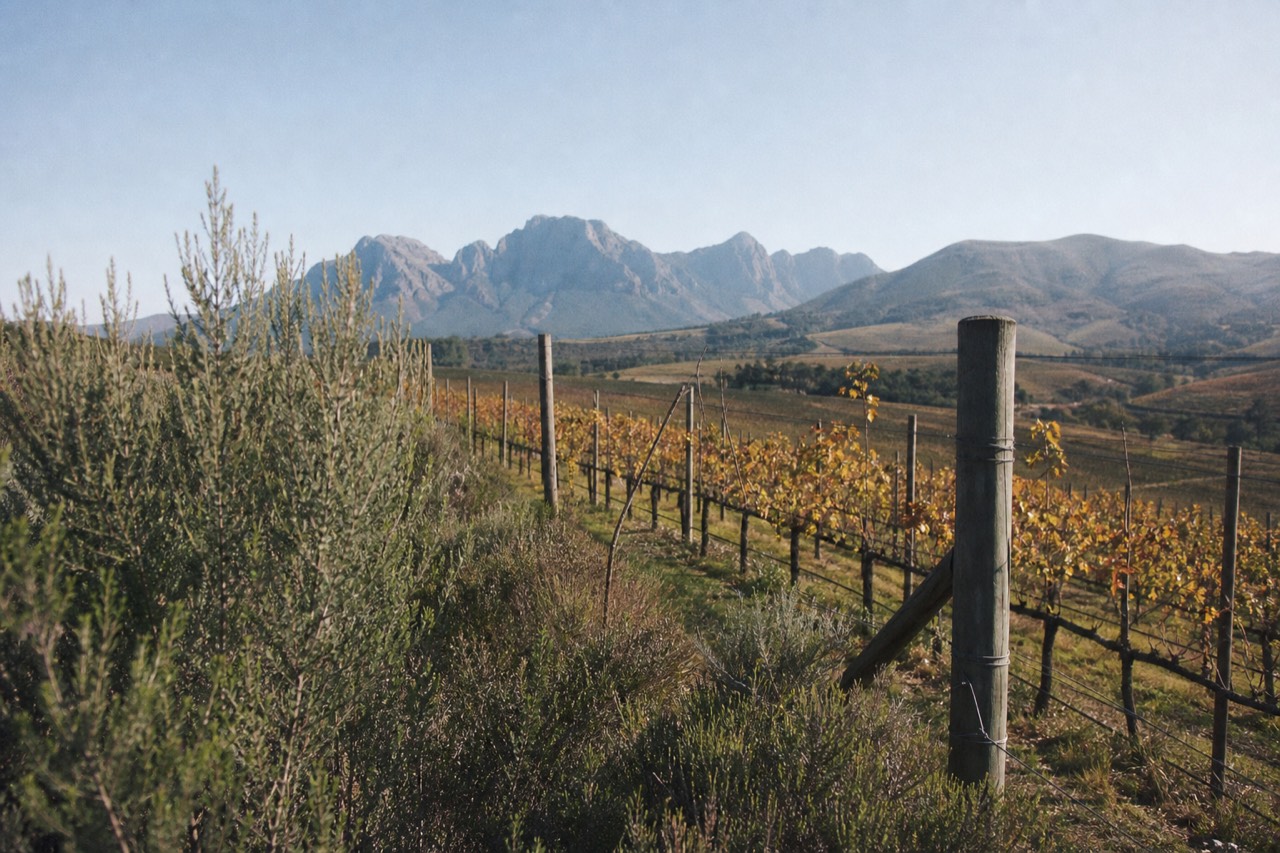
How Do I Go From Cape Town To Stellenbosch?
The four realistic options are self-driving the roughly 50 km route via the N2 and R310 (45-55 minutes in normal traffic), joining an organized wine tour with hotel pickup, hiring a private driver, or using a regional rail connection between the two areas. For a tasting-focused day, an organized tour or private driver removes the drink-driving question entirely, which matters under South Africa's two-tier blood-alcohol limits.
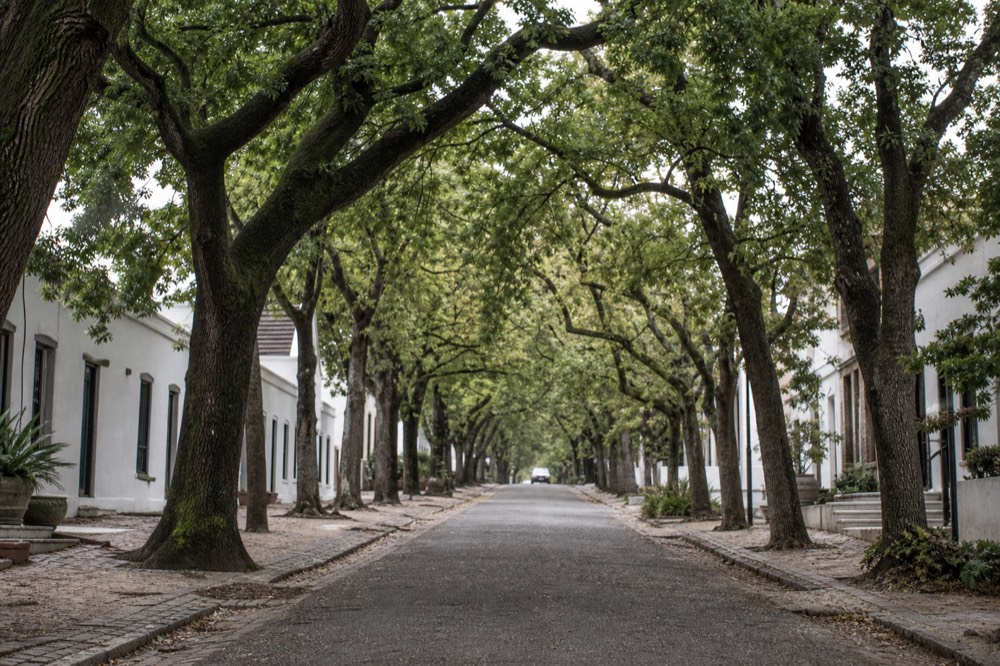
Stellenbosch is close enough to Cape Town that it works as an easy half-day or full-day trip. The drive is roughly 50 km each way, and in normal traffic it takes 45-55 minutes via the N2 and R310. That short distance is exactly why the town shows up in so many itineraries: you can leave the City Bowl mid-morning, taste at two or three estates, eat lunch among the oak-lined streets, and be back in Cape Town for dinner.
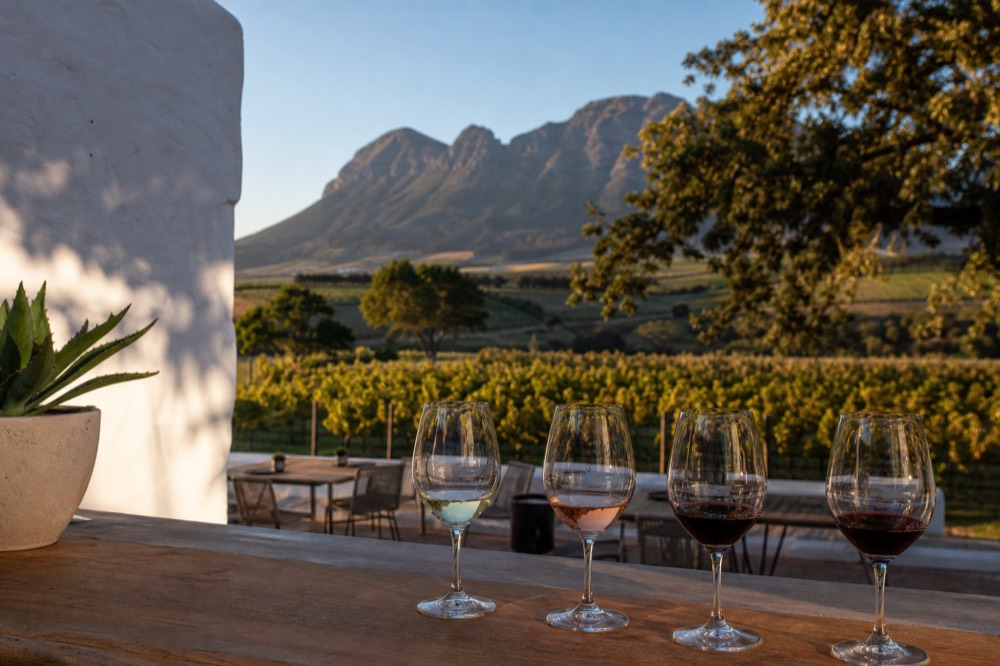
The real decision is not distance but logistics. South African drink-driving law sets a 0.05 g per 100 ml blood-alcohol limit for ordinary drivers, and a stricter 0.02 g limit for professional drivers, including many tour and shuttle drivers holding a PrDP. A zero-tolerance limit has been signed into law but is not yet in force. Tasting flights add up quickly across a day, and spitting buckets are standard and encouraged at estates precisely because so many visitors drive afterward. Handing the wheel to someone held to the stricter professional limit is a genuinely practical argument, not just a convenience.
Here is how the main options compare:
| Option | Typical time each way | Freedom at estates | Best for |
|---|---|---|---|
| Self-drive (N2/R310) | 45-55 min | Full, but you are the driver | Non-drinkers, one-estate visits |
| Organized wine tour | Door-to-door, tour sets the pace | Set itinerary, tastings usually pre-arranged | First-time visitors, groups |
| Private driver | 45-55 min driving, flexible schedule | Full, you choose the estates | Couples, serious tasters |
| Regional rail | Exists between the two areas | Limited once you arrive | Budget travelers, not tasting days |
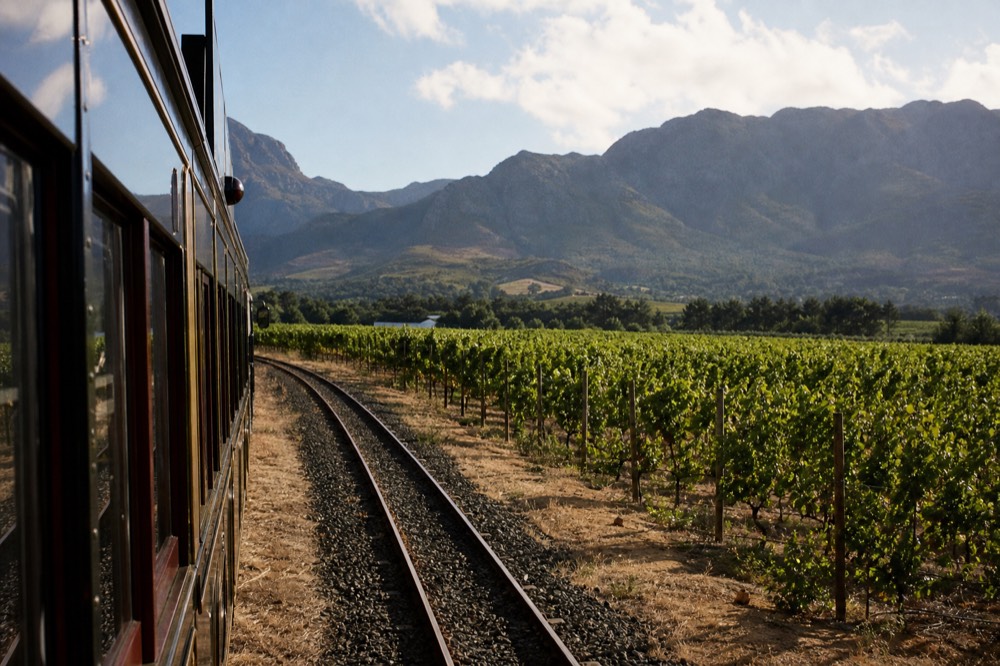
A few practical notes can help you match the option to your day. If you self-drive, plan the estate order in advance so the last tasting before the drive back is the lightest, and use the spit buckets freely even if you feel fine. Organized tours suit first-time visitors because the itinerary, bookings, and pacing are handled for you, though you trade away the ability to linger at an estate you love. A private driver splits the difference: you keep full control of which estates you visit and how long you stay, while someone bound by the professional limit handles the road.
Timing also shapes the choice. Because the drive is under an hour each way in normal traffic, a half-day version is realistic if you leave mid-morning, but a full day gives you room for two or three estates plus lunch without rushing. Groups and couples who want flexibility tend to do best with a private driver, while solo travelers and those on a tighter budget may prefer the rail connection, keeping in mind that it is not ideal for tasting-focused days since your mobility is limited once you arrive.
Can I Take A Train From Cape Town To Stellenbosch?
Yes, a regional rail option exists connecting the Cape Town area with Stellenbosch, so the town is reachable without a car. Our research does not include specific schedules, fares or service-quality details we could stand behind, so we will not quote any. For a wine-tasting day specifically, an organized tour or private transfer remains the option this site can recommend with confidence, since it handles both the journey and the tasting logistics.
That is the honest, complete answer on rail: it exists, it serves the corridor, and beyond that we would be guessing. Rail travel and wine tasting also make awkward companions. Estates cluster in the hills and along the main roads around town rather than next to the station, so a rail arrival still leaves you needing taxis or rideshare for each leg between wineries. That piecemeal approach is workable for a town-focused day of wandering, museums and restaurants, but it fragments a tasting itinerary badly, and the per-ride costs of stitching five or six short hops together often erase the saving that made rail attractive in the first place.
The practical middle ground is a tour or transfer that starts in Cape Town and finishes in the vineyards. Tours typically pick up from central hotels, and the drive itself is under an hour, so almost no day is lost to travel. If your heart is set on Stellenbosch specifically, a Stellenbosch wine tour from Cape Town is the dedicated option; if you would rather sample several regions, a multi-region day spreads the driving across a professional's schedule instead of yours.
One point worth knowing before you book anything: advance reservations are widely recommended or required at Stellenbosch estates, especially smaller boutique properties and during peak season, roughly November to March. Larger commercial estates often accommodate walk-ins during published hours, but some named estates explicitly require booking. Organized tours usually handle this for you, which quietly removes the most common way a DIY day goes wrong. It also removes the small daily frictions that add up: parking in the town center, finding each estate's entrance off unfamiliar farm roads, and judging when to leave one tasting room to reach the next reservation on time.
Is Stellenbosch Cheaper Than Cape Town?
As a day-trip cost question, a half-day Stellenbosch tasting tour is a shorter product than a full Winelands day, but compare current quotes and inclusions before deciding which costs less. Tasting fees themselves are similar everywhere, typically R80-R250 per person for a standard flight, often waived or refunded with a bottle purchase. Any saving depends on the current tour quote and what it includes, rather than a guarantee of cheaper wine.
Framed narrowly as what you spend on the day, the comparison is straightforward. A half-day tour compresses travel and visits into four or five hours, while full-day options push deeper into Franschhoek or Paarl, adding roughly 30 minutes of driving inland from Stellenbosch toward Franschhoek and similar again toward Paarl via the N1. Longer itineraries add time and visits, but the price difference depends on the tour and its inclusions.
The per-estate economics barely change between towns. A standard tasting flight runs R80-R250 per person across the region, premium tastings cost more, and the waive-with-purchase norm is common practice rather than a rule. Where Stellenbosch can feel cheaper is food and pace: it is a university town with an independent restaurant and nightlife scene that is not purely tourist-priced, and its walkable center means you can spend the non-tasting part of the day on foot spending very little. A self-catered picnic from a farm shop, eaten on a wine farm's lawns, is another classic Stellenbosch saving that a city restaurant day cannot match.
| Day-trip format | Rough scope | Cost drivers |
|---|---|---|
| Featured half-day Stellenbosch tour | 5 hours, 2 vineyards and a town stop | Included tastings and pairings; lunch extra |
| Full-day Stellenbosch-focused tour | 7-9 hours, 3-4 estates | More tastings, lunch stop |
| Multi-region day (Stellenbosch + Franschhoek/Paarl) | Full day, wider driving loop | Distance, more estates |
| Self-drive DIY | Your own schedule | Fuel, tasting fees, no driver cost |
Which Route Should I Drive, And How Long Does It Really Take?
The standard route is the N2 east out of Cape Town, then the R310 toward Stellenbosch, covering roughly 50 km in 45-55 minutes in normal traffic. Weekend mornings, Friday afternoons and the December-to-February peak can stretch that meaningfully, so an early start protects your first tasting reservation. The route itself is simple and well-signposted.
The N2/R310 combination is the default for good reason. It is the most direct corridor from the City Bowl to the Stellenbosch winelands, and it passes the airport corridor, which matters if you are coming from that side of the city. Alternatives via the N1 suit travelers combining Stellenbosch with Paarl, since Paarl sits about 50-60 minutes from central Cape Town via the N1 in its own right, and the two towns can be linked in one loop with modest extra driving.
Timing matters more than route choice. Peak tourist crowding across the winelands runs December through February and into early March, coinciding with school holidays and the harvest season, which typically runs late January through April. In that window, popular estates fill their tasting rooms by early afternoon and the roads into town slow down. Shoulder periods, September to November or post-harvest March-April, balance thinner crowds against full activity calendars, and September 2026 visitors are looking at spring conditions with fewer crowds than the summer peak.
Self-Drive, Organized Tour, Or Private Driver?
Self-drive suits confident drivers who plan to taste lightly or not at all; an organized tour suits first-time visitors who want estates, reservations and pacing handled; a private driver suits travelers who want to choose every stop without holding the wheel. Given the 0.05 g blood-alcohol limit for ordinary drivers and the stricter 0.02 g limit for professionals, anyone planning a full tasting day should lean toward the second or third option.
Self-driving is the cheapest format on paper and the most flexible in theory. The catch is arithmetic: four estates at a standard flight each, even with spitting, puts a driver in uncomfortable territory against the legal limit, and the zero-tolerance law already signed but not yet in force signals where enforcement is heading. Self-drive works best as a one- or two-estate plan with a long lunch, or with a designated non-drinker who genuinely enjoys the scenery.
Organized tours solve the legal question and the reservation question at once. Pickup is central, the driver holds the professional permit and the stricter limit that goes with it, and the estates are pre-booked. The trade is control: the itinerary is set. For a first visit, that trade is usually worth it, since the density of estates in Stellenbosch, the highest of any South African wine district, makes choosing hard if you have never been. A guide also adds context you cannot get from a map, from which cellar door has the best view to why a particular Chenin Blanc keeps winning trophies.
Private drivers sit in between. You pick the estates, the driver handles the road, and the day bends around lunch or a walk through town. It costs more than a seat on a shared tour, and it rewards travelers who arrive with a shortlist. If you are still deciding between towns rather than formats, the comparison of Stellenbosch or Franschhoek is the sharper question, since the two are only about 30 minutes apart via the Helshoogte Pass.
What Does A Good Stellenbosch Day Look Like?
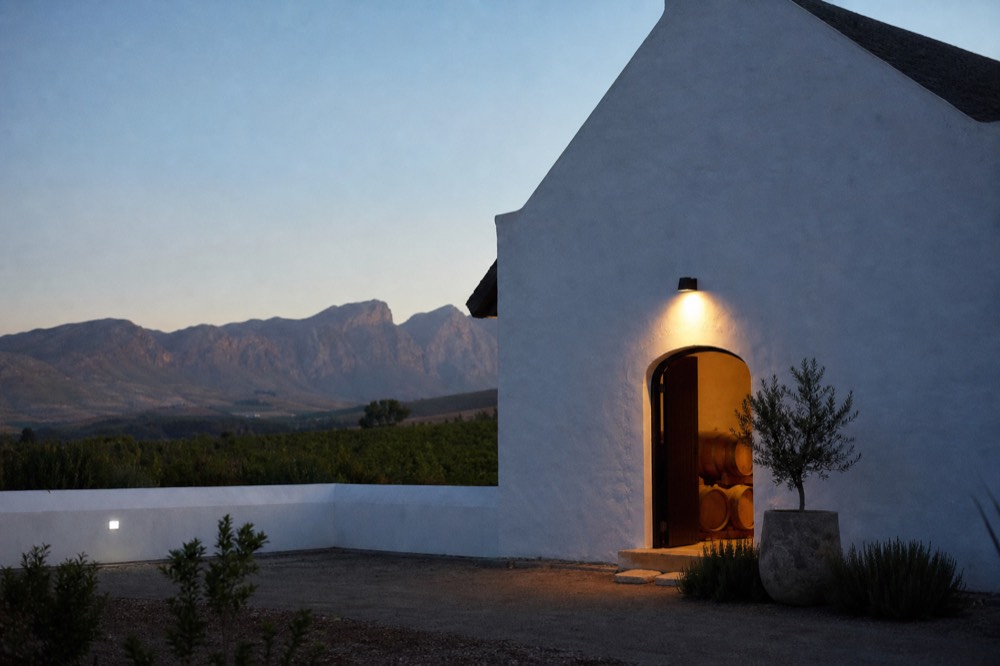
A strong day pairs two or three estates with a proper lunch and time in town: start with a morning tasting while rooms are quiet, eat in the town center among the oak-lined streets, add one afternoon estate within a short drive, and leave before the evening rush back on the N2. Three tastings is the practical ceiling for most palates; four turns into endurance.
Stellenbosch rewards pacing. It is South Africa's second-oldest town, walkable, and dense enough with estates that you never drive far between stops. A morning-first plan also protects you from the afternoon fill-up at popular tasting rooms, and it leaves room for the town itself, which many visitors skip and later regret. For a fuller itinerary, our piece on what to do in Stellenbosch for a day covers the non-wine half of the visit.
Pairing Stellenbosch with neighbouring Franschhoek or Paarl gives a broader regional introduction, while staying in one area leaves more time for the town and individual estates.
However you structure it, book the estates you care about most, carry ID since tasting rooms must verify anyone who appears under 18 under the national liquor norms, and keep the drive home in the plan from the first stop, not the last.
The short answers: drive roughly 50 km via the N2 and R310 in 45-55 minutes, or let a tour or private driver handle it; a regional rail option exists but suits town visits more than tasting days; a half-day tour is the shorter guided format; and advance estate bookings are wise in the November-to-March peak. The details below expand on each of these points.
Common Questions About Getting From Cape Town To Stellenbosch
How do I go from Cape Town to Stellenbosch?
Drive roughly 50 km via the N2 and R310 (45-55 minutes in normal traffic), join an organized wine tour with pickup, hire a private driver, or use the regional rail connection between the two areas. For tasting days, a tour or private driver is the safest fit given South Africa's drink-driving limits.
Can I take a train from Cape Town to Stellenbosch?
Yes, a regional rail option exists between the two areas. We do not have schedule, fare or service details we can verify, so we will not quote any, and estates sit too far from the station for a rail-plus-tasting day to work smoothly. An organized tour or private transfer is the option we can recommend with confidence.
Is Stellenbosch cheaper than Cape Town?
As a day trip, a half-day Stellenbosch tasting tour is shorter than a full Winelands day; compare current quotes and inclusions to establish the cost difference. Tasting fees are similar across the region, typically R80-R250 per person for a standard flight, often waived with a bottle purchase.
How far is Stellenbosch from Cape Town?
Roughly 50 km from the central city, or 45-55 minutes of driving via the N2 and R310 in normal traffic. Weekend peaks and the December-February tourist season can stretch that considerably.
Do I need to book Stellenbosch wine tastings in advance?
Advance booking is widely recommended or required, especially at smaller boutique estates and during the November-to-March peak. Larger commercial estates often take walk-ins during published hours, but some estates explicitly require reservations. Organized tours normally handle bookings for you.
Can I drink and drive between estates in Stellenbosch?
The legal limit for ordinary drivers is 0.05 g of alcohol per 100 ml of blood, and a zero-tolerance law has been signed but is not yet in force. Spitting buckets are standard at estates. Across multiple estates in a day, a tour or private driver, whose professional limit is a stricter 0.02 g, is the safer structure.
Plan Your Wine Day
Starting recommendation. Adjust the choice below.
Stellenbosch Half-Day Tastings And Pairings
Have a travel date in mind? Check it before arranging the rest of your day. Combine two winery visits and food pairings with time in Stellenbosch.
5 hours; English, Cape Town hotel pickup and return. Tastings included; lunch extra. Confirm winery route and pickup.
Choose a date to see scheduled departures.
Published schedule, not confirmed seats. Availability and final price are confirmed on Viator.
Check Dates For Stellenbosch Half-Day Tastings And PairingsCompare options and your costs
- Stellenbosch Half-Day Tastings And Pairings
- Combine two winery visits and food pairings with time in Stellenbosch. 5 hours; English, Cape Town hotel pickup and return. Tastings included; lunch extra. Confirm winery route and pickup.
- Private Wine Expert: Stellenbosch And Franschhoek
- Request your preferred Winelands focus and taste at four estates with a specialist wine guide. 8 hours; Cape Town pickup area. Four tastings included; lunch extra. Ages 18–80, minimum two adults. Confirm requested estates before booking; private group.
- Three Regions And Three Wineries By Coach
- Taste 15 wines across Paarl, Franschhoek and Stellenbosch with a guided coach day. Full day, allow 8.5 hours; predefined Cape Town collection points. Tastings and pairings included; lunch extra. Shared coach.
This matches format and time, not personal suitability. Confirm the meeting point, language, ages and access arrangements for your party on the booking page.